
A pimple patch is a simple yet powerful acne solution designed to protect and heal blemishes discreetly. Whether you’re new to skin care patches or searching for the best way to treat persistent zits, this guide unpacks everything you need to know—from active ingredients like hydrocolloid and niacinamide to application techniques for sensitive skin. Explore how blemish patches work, their real-world effectiveness, safety tips, and expert-backed answers to frequently asked questions, giving you the knowledge needed for clearer, more confident skin.
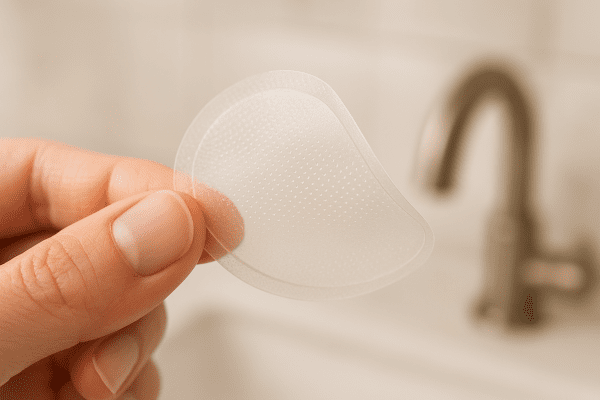
Understanding Pimple Patch Ingredients, Hydrocolloid, Adhesive, and Skin
Pimple patches use a thin skin patch, made from hydrocolloid, to cover blemishes. These acne stickers help protect pimples from bacteria and picking. The adhesive keeps the patch in place, letting the skin heal quietly while reducing redness and swelling.
Hydrocolloid absorbs fluid from the pimple, while the adhesive forms a barrier. Many acne solution patches are suitable for sensitive skin types. Blemish patch options may include added ingredients or special moisture control. Explore the key components found in leading pimple patch formulas for more details.
Key components found in leading pimple patch formulas
- Many acne patch varieties include niacinamide or salicylic acid for targeted blemish treatment.
- Blemish stickers often use gentle, hypoallergenic adhesives to suit sensitive skin types.
- Some pimple solution patches incorporate ceramides to support the skin barrier during healing.
- Hydrating agents like hyaluronic acid may be added to skin care patch formulas for extra moisture.
Comparing Acne Solutions for Different Skin Types
Different skin types need different acne solutions. Oily skin may benefit from an acne patch with oil-absorbing properties. Sensitive skin can prefer blemish patch options with gentle ingredients. The right pimple solution helps protect the skin and targets specific acne concerns.
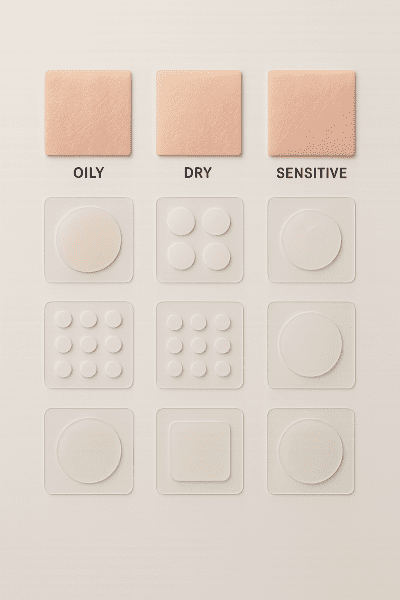
Some skin care patch varieties contain niacinamide or salicylic acid. Others focus on soothing ingredients for redness or dryness. Pricing for acne stickers typically ranges from $6–$30 per box, depending on count and features. Choosing the best acne spot patch depends on patch selection criteria based on unique skin needs.
Patch selection criteria based on unique skin needs
- Select a blemish patch with hyaluronic acid for added moisturizing if your skin is prone to dryness.
- Choose acne stickers labeled hypoallergenic to minimize irritation for sensitive skin care routines.
- For oily zones like the chin or nose, opt for a pimple solution that offers strong adhesion and oil control.
- Prioritize a skin care patch containing niacinamide or salicylic acid when targeting persistent zits or blemishes.
How Pimple Patches Support Blemish Healing and Protection
Pimple patches act as a skin care patch that shields blemishes from bacteria and touching. This acne solution uses a thin hydrocolloid layer to cover pimples. It helps speed up recovery and keeps the area clean for better blemish treatment.
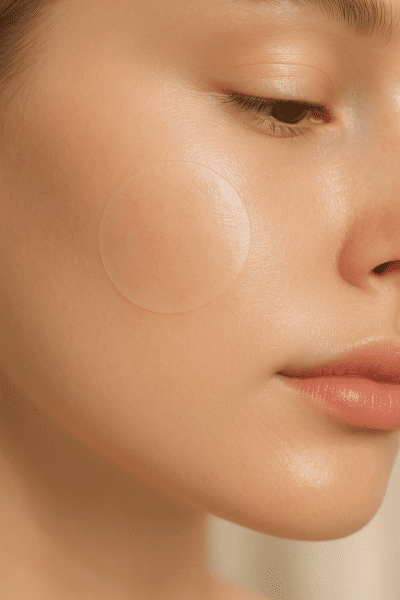
These acne stickers create a moist environment that supports skin healing. They absorb fluid and reduce redness for faster relief. Pimple patches are gentle for sensitive skin and simple to use. The next section explores their protective mechanisms and healing benefits explained.
Protective mechanisms and healing benefits explained
- Acne stickers act as a barrier, reducing external irritation and supporting the skin’s natural repair process.
- The hydrocolloid in a blemish patch absorbs excess fluid, helping minimize swelling and redness.
- Using a pimple solution patch can decrease friction from masks or clothing on sensitive skin areas.
- Spot treatment patches help maintain moisture balance, promoting smoother skin texture during acne healing.
Application Techniques for Optimal Pimple Patch Performance
Applying a pimple patch correctly makes a big difference. Clean skin helps the acne patch stick well. Good technique supports the blemish solution and keeps the area protected. Proper use helps each skin care patch perform at its best for pimple control.
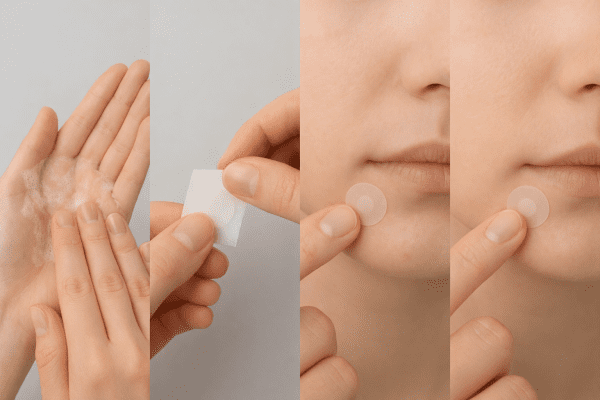
Always dry the skin before using acne stickers. Avoid lotions or serums under the patch. This helps the adhesive work and keeps the hydrocolloid active. Most pimple patches cost around $6–$30 per box. Next, see step-by-step guidelines for using pimple patches for best results.
Step-by-step guidelines for using pimple patches
- Press the acne patch gently onto the blemish to ensure full contact with the skin surface.
- Avoid applying cream, moisturizer, or serum underneath the pimple sticker to maintain strong adhesion.
- Replace the blemish patch when it turns white or after recommended hours for optimal pimple healing.
- Dispose of used skin care patch hygienically to prevent spreading bacteria or residue.
Managing Sensitive Skin with Acne Spot Patch Care
Managing sensitive skin with a pimple patch requires extra care. Acne stickers and blemish patch options can help protect irritated skin. Choose skin care patch products labeled for sensitive skin. These patches shield blemishes while minimizing harsh contact with the skin.
Always check the ingredient list for potential irritants or allergens. Look for hypoallergenic or fragrance-free acne patch varieties. Avoid using pimple solution patches on broken or inflamed areas. Patch prices typically range from $6–$30 per box. Next, learn practical Strategies to minimize irritation and maximize comfort.
Strategies to minimize irritation and maximize comfort
- Test a new acne patch on your cheek or jawline before full-face use to check for skin sensitivity.
- Select a blemish spot treatment labeled fragrance-free to reduce the risk of reaction on sensitive skin.
- Use a lightweight moisturizer with ceramides after removing the pimple sticker to help restore the skin barrier.
- Avoid applying a pimple solution to areas with eczema or active irritation to protect skin health.
Evaluating Pimple Patch Efficacy for Pimples and Zits
Pimple patches help reduce swelling and protect zits from bacteria. This acne solution covers blemishes with a thin skin care patch. Many users see quicker healing for pimples. These acne stickers are popular for spot treatment and blemish control.
Results can vary by skin type, patch formula, and pimple stage. Some acne patch products work best on whiteheads or early blemishes. Prices for a pimple solution typically range from $6–$30 per box. Next, explore common results and performance metrics for patch use.
Common results and performance metrics for patch use
- Acne patch users often report visible flattening of zits within 6–24 hours of application.
- Blemish stickers frequently reduce redness and excess fluid, supporting faster skin recovery.
- Pimple solution patches help minimize post-inflammatory marks, resulting in smoother skin texture.
- Spot treatment patches consistently protect sensitive skin from external irritation during healing.
Addressing Allergies and Safety in Acne Treatment Patch Use
Using a pimple patch or acne patch can help protect skin during blemish treatment. Safety is important for all skin types. Some people may experience irritation or redness. Always check ingredients before using any blemish patch or acne solution.
Allergic reactions may include itching, swelling, or rash near the skin care patch. Sensitive skin types should choose hypoallergenic acne stickers. Blemish treatment patches typically cost around $6–$30 per box. Learn more about Identifying and avoiding potential adverse skin reactions in the next section.
Identifying and avoiding potential adverse skin reactions
- Discontinue the acne patch if redness or swelling develops around the skin patch area.
- Check the ingredients list on any blemish sticker for potential allergens like adhesives or fragrance.
- Consult a skin care professional before using a new pimple solution if you have a history of skin sensitivity.
- Perform a patch test with a small piece of the acne treatment on your inner arm before applying to the face.
Integrating Pimple Stickers into Your Skincare Routine
Adding a pimple patch to your skin care routine is simple. These acne stickers help protect zits and speed up healing. Use a blemish patch when you notice a new blemish. Gentle formulas work for sensitive skin and most skin types.
Apply the acne patch on clean, dry skin for best results. Avoid creams or serums under the pimple patch to support strong adhesion. Prices typically range from $6–$30 per box, depending on size and count. Next, learn about routine timing and layering with other products.
Routine timing and layering with other products
- Apply a pimple sticker before using serums or moisturizer to help the patch adhere to clean skin.
- Layer your acne treatment after removing the blemish patch to avoid interfering with patch performance.
- Wait until your skin care patch is removed before applying sunscreen or makeup for best pimple control.
- Integrate spot treatment patches into your night routine for targeted zits care while you sleep.
Pimple Patch Storage, Shelf Life, and Moisturizer Compatibility
Store your pimple patch or acne patch in a cool, dry place. Heat and humidity can damage the adhesive and hydrocolloid. Most blemish patch products have a shelf life listed on the box. Keeping your skin care patch fresh ensures better acne treatment results.
Avoid exposing acne stickers to sunlight or bathroom steam. Expired pimple solution patches might not stick or absorb fluid well. Always check expiration dates before use. Shelf life is usually 1–3 years. For more details, see proper storage tips and compatibility with skincare.
Proper storage tips and compatibility with skincare
- Store acne patch sheets flat to prevent curling of the hydrocolloid layer.
- Keep blemish stickers away from direct light to maintain adhesive quality for skin care routines.
- Avoid placing pimple solution boxes near bathroom steam to protect active ingredients.
- Use spot treatment patches only on fully dried moisturizer to ensure optimal patch adhesion.
Reducing Scarring and Hyperpigmentation With Blemish Solutions
Blemish patch products help reduce scarring and dark marks after pimples. These acne stickers protect sensitive skin and support smooth healing. Using a pimple solution early can minimize lasting discoloration. Many spot treatment options are safe for most skin types.
Acne patch options form a barrier, which prevents picking and further irritation. Hydrocolloid and skin care patch formulas keep the area moist. This helps the skin repair and lessens hyperpigmentation. Next, explore Preventative measures and post-acne skin recovery for best results.
Preventative measures and post-acne skin recovery
- Apply a pimple patch early to support skin barrier repair and limit long-term discoloration.
- Use a gentle moisturizer with ceramides after acne spot patch removal to aid skin healing.
- Incorporate niacinamide serum post-blemish patch to minimize hyperpigmentation and soothe sensitive skin.
- Avoid picking at zits before using acne stickers to reduce the risk of scarring and promote smoother recovery.
Final Thoughts:
A pimple patch is a convenient and effective acne solution for treating individual blemishes and supporting overall skin care. By harnessing innovative ingredients like hydrocolloid and niacinamide, these acne patches not only protect sensitive skin from bacteria but also help reduce redness and scarring. Whether you’re seeking a gentle blemish patch or a targeted spot treatment, integrating this simple tool into your routine can enhance your skincare results. Explore trusted brands and consult with a dermatologist to find the best fit for your skin’s needs today.
Frequently Asked Questions (FAQs)
What ingredients are commonly found in pimple patches, and how do they work?1
Answer: Pimple patch formulas often use hydrocolloid, salicylic acid, and niacinamide. This acne solution absorbs fluid and reduces redness on skin. Adhesive helps the patch stick. Ceramide and hyaluronic acid hydrate sensitive skin types. These ingredients target zits, provide blemish treatment, and support skin care routines.
How do pimple patches help heal and protect pimples?2
Answer: A pimple patch covers pimples with a hydrocolloid skin care patch. This acne solution absorbs fluid and shields blemishes from bacteria. It prevents picking, supports healing, and reduces redness on sensitive skin. Blemish stickers and acne stickers help speed recovery and protect zits.
Are pimple patches effective for all types of acne, including cystic and hormonal pimples?3
Answer: Pimple patch products work best on whiteheads and surface blemishes. These acne stickers may not treat cystic or hormonal zits. Blemish patch options support mild acne on sensitive skin. Deep pimples need other acne solutions or skin care treatments. Always check patch directions for your skin type.
What is the correct way to apply a pimple patch for the best results?4
Answer: Clean and dry skin before using a pimple patch or acne patch. Place the blemish patch directly on the zit or blemish. Press gently for strong adhesion. Avoid creams under the skin care patch. Replace acne stickers as directed for best pimple solution results on sensitive skin.
Can pimple patches cause irritation or allergic reactions, especially on sensitive skin?5
Answer: Some pimple patch adhesives may irritate sensitive skin or cause redness. Always check skin care patch ingredients. Do a patch test before full use. Blemish stickers labeled hypoallergenic are safer for acne treatment. Discontinue the acne patch if there is swelling, rash, or discomfort.
How long should you leave a pimple patch on, and can they be used overnight?6
Answer: Keep the pimple patch or acne patch on for 6–8 hours. Many blemish patch options work best overnight. Replace skin care patch after it turns white or as directed. Acne stickers should not be reused. Always follow your patch instructions for optimal blemish spot treatment.
Can pimple patches be used alongside other skincare products like moisturizers or serums?7
Answer: Use a pimple patch on clean, dry skin before other products. Apply acne stickers before serums or moisturizer for better adhesion. Remove the skin care patch before adding creams. Blemish patch compatibility helps sensitive skin and acne treatment routines. Always follow patch directions for layering.
Do pimple patches help prevent acne scars or post-inflammatory hyperpigmentation?8
Answer: A pimple patch helps prevent acne scars by stopping picking. Blemish patch creates a moist skin care patch barrier. This acne solution supports faster healing for sensitive skin. Acne stickers may reduce redness and risk of dark marks. Use spot treatment early for best blemish solution results.
Social Media Links
- Khalima Moradeyo (Instagram)
- Hey Michelle Lee (Instagram)
- Glowopedia (Facebook)
- Shani Darden Skin (Facebook)
Last Updated on February 17, 2026 by Amaya Bradley
DISCLAIMER (IMPORTANT): This information (including all text, images, audio, or other formats on FamilyHype.com) is not intended to be a substitute for informed professional advice, diagnosis, endorsement or treatment. You should not take any action or avoid taking action without consulting a qualified professional. Always seek the advice of your physician or other qualified health provider with any questions about medical conditions. Do not disregard professional medical advice or delay seeking advice or treatment because of something you have read here a FamilyHype.com.