
Cuticle cutters are essential beauty tools for achieving clean, well-groomed nails, whether at home or in the salon. In this comprehensive guide, discover how to choose the best cuticle nippers and manicure tools for safe, effective nail care. We’ll break down ergonomic handle options, stainless steel blade types, and jaw sizes to help you find the right grooming tools for your needs. Learn expert trimming techniques, cleaning routines, and safety tips—all designed to protect your cuticles and enhance your nail care routine.
Featured Products
Best Overall • Best Value • Premium Option


Note: As an Amazon Associate I earn from qualifying purchases. Some of the links on this site are affiliate links — when you buy through those links, I may earn a small commission at no extra cost to you.
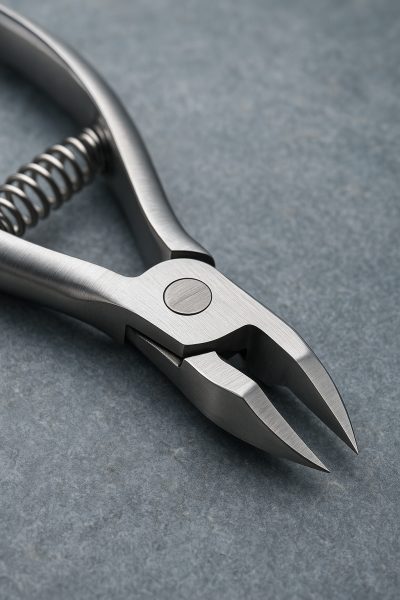
Understanding Cuticle Cutters, Jaw Design, and Blade Material
Cuticle cutters are specialized beauty tools used for trimming dead cuticle and hangnails. These grooming tools feature sharp blades and ergonomic handles. Jaw design and blade material determine how precisely and safely you can use cuticle cutters for nail care.
Stainless steel cuticle nipper jaws range from 3mm to 9mm. Smaller jaws offer more precision for cuticle trimming, while larger jaws are faster for bigger areas. Blade quality affects durability and sharpness. Understanding these features helps when choosing cuticle cutting tools. Next, explore key components and functions of cuticle cutters.
Key components and functions of cuticle cutters
- Precision cuticle nippers use ergonomic handles and spring action for controlled cutting of dead skin.
- Stainless steel blades on cuticle cutter tools resist rust and maintain sharpness for repeated nail care.
- Jaw alignment and blade curvature in manicure cuticle cutters allow for safe trimming along the nail’s edge.
- Cuticle trimmers often include a safety lock feature to protect the blades and ensure secure storage.
Comparing Stainless Steel Cuticle Nippers for Nail Care
Stainless steel cuticle cutters are popular beauty tools for nail care. These grooming tools offer sharp blades and precise cutting. Cuticle nippers are easy to clean and resist rust. They provide reliable performance for manicure and pedicure routines.
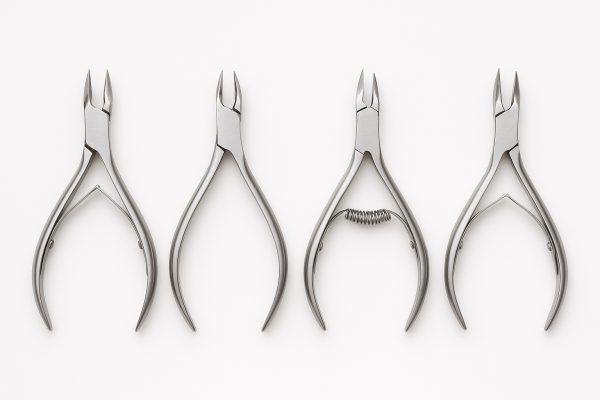
Stainless steel cuticle nippers come in many variations, such as ergonomic handles and different jaw sizes. Some feature safety locks or double springs. Pricing typically ranges from $8 to $40 per unit. To choose the right option, it helps to understand feature differences in stainless steel nipper models.
Feature differences in stainless steel nipper models
- Some ergonomic cuticle cutters use double springs for smoother hand motion and less fatigue during nail care.
- Jaw alignment and blade curvature vary, affecting precision when trimming cuticles and dead skin.
- Certain manicure tools feature safety locks to secure stainless steel blades for safer storage.
- Handle design and grip texture differ across grooming tools, improving control during cuticle trimming.
Ergonomic Handle Features in Professional Cuticle Cutter Tools
Ergonomic handles on cuticle cutters improve user comfort and control. These features are key for precision cuticle trimming and nail care. Professional cuticle nippers and manicure tools often use sculpted grips for stability. This design helps reduce hand strain during grooming sessions.
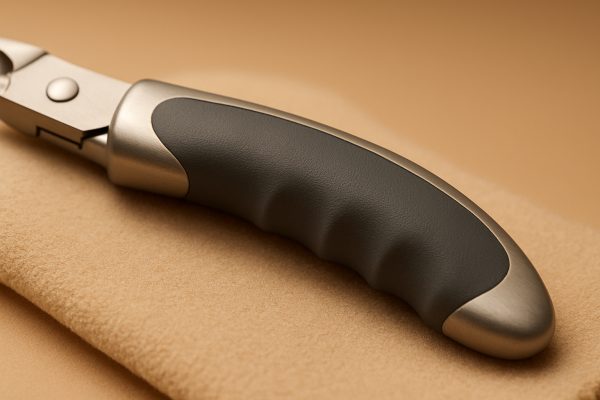
Many beauty tools and cuticle trimming tools use non-slip coatings for a secure hold. Some nail care cuticle cutters add contoured shapes to fit different hand sizes. Double spring mechanisms in cuticle nippers can lessen fatigue. Understanding these details highlights the comfort and grip benefits for frequent users.
Comfort and grip benefits for frequent users
- Ergonomic cuticle cutters reduce hand fatigue during long nail grooming sessions.
- Non-slip handles on manicure tools provide steady control for precision cuticle cutting.
- Contoured grips on cuticle nippers help prevent slipping and accidental cuts to cuticles.
- Well-balanced cuticle trimmers improve comfort for repetitive nail care and trimming tasks.
Precision Cutting Techniques for Hangnails and Dead Skin
Precision cuticle cutters and nipper tools help trim hangnails and dead skin. Using the right grooming tools keeps nail care safe and clean. Proper technique is key for avoiding cuts or irritation. Cuticle scissors and cuticle trimmers also assist in targeted removal.
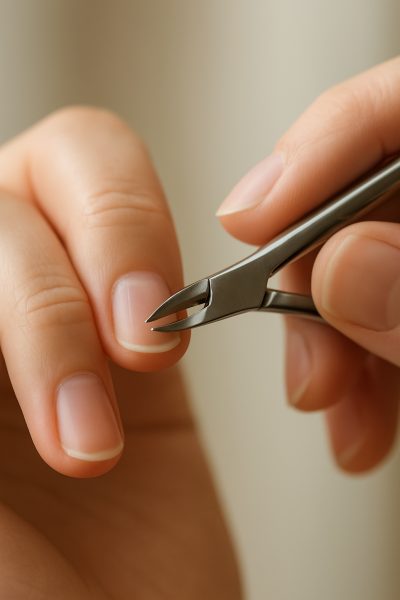
Always use sharp cuticle nippers or a cuticle cutter for a clean cut. Hold ergonomic cuticle tools at the correct angle for best results. Avoid pulling living cuticle tissue. Stainless steel cuticle clippers typically cost $8–$40 per unit. Next, review stepwise methods for accurate and safe trimming.
Stepwise methods for accurate and safe trimming
- Soften cuticles with cuticle remover before using manicure cuticle cutters for easier trimming.
- Gently angle precision cuticle nippers along the edge of the nail to target only dead skin and hangnails.
- Use a cuticle pusher to reveal excess tissue before trimming with stainless steel cuticle tools.
- Disinfect grooming tools and cuticle clippers after each use to maintain nail care hygiene.
Cleaning Methods for Cuticle Clippers and Grooming Tools
Cleaning cuticle cutters and other grooming tools helps prevent infection. Use simple steps to remove nail debris and oils. Rinse manicure tools like cuticle nippers or nail scissors after each use. Dry all cuticle care tools thoroughly to avoid rust and bacteria.
Wipe cuticle clippers with alcohol or soak them in warm soapy water. Regular cleaning keeps stainless steel cuticle trimmers sharp and safe. Avoid harsh chemicals that can damage hand care tools. Next, learn more about proper Disinfection routines for hygienic personal grooming.
Disinfection routines for hygienic personal grooming
- Soak cuticle nippers and manicure tools in an EPA-registered disinfectant after each nail care session.
- Use a soft brush to remove debris from the jaws and blades of cuticle cutters before disinfection.
- Dry stainless steel cuticle clippers thoroughly to prevent rust and maintain blade quality.
- Store personal grooming tools in a clean, dry container to protect cuticle care tools from contamination.
Safe Cuticle Cutting Practices to Prevent Paronychia Infection
Safe cuticle cutting helps prevent paronychia infection. Use precision cuticle cutters and manicure tools designed for nail care. Trim only dead skin and hangnails. Avoid cutting live cuticle tissue. Clean grooming tools before and after use to lower infection risk.
Disinfect stainless steel cuticle nippers and cuticle trimmers after every use. Never share personal grooming tools or nail care cuticle cutters. If you notice redness or pain, stop using nail cutting tools. For more details, see Risk reduction strategies and recommended guidelines.
Risk reduction strategies and recommended guidelines
- Replace cheap cuticle cutters or nail care tools if blades show rust or misalignment.
- Disinfect professional cuticle nippers and scissors in an autoclave after each manicure or pedicure.
- Avoid sharing personal grooming tools such as cuticle trimmers to lower infection risk.
- Use stainless steel cuticle removal tools with ergonomic handles for better control and safer trimming.
Maintaining Blade Sharpness and Spring Mechanism Longevity
Keeping cuticle cutters sharp and springs working is vital for safe nail care. Dull blades on grooming tools can tear cuticles. A worn spring makes cuticle nippers hard to control. Regular upkeep helps manicure tools last longer and perform better.
Nail care tools like cuticle clippers and trimmers need routine attention. Avoid dropping stainless steel cuticle cutters to prevent jaw misalignment. Springs wear out with repeated use, especially on cheap cuticle cutters. For best results, follow Care steps to prolong tool effectiveness.
Care steps to prolong tool effectiveness
- Oil the spring mechanism of your cuticle nipper regularly to keep manicure tools moving smoothly.
- Check the jaw alignment of your cuticle cutters after each use to prevent uneven cutting and blade wear.
- Store stainless steel cuticle clippers in a dry pouch to protect grooming tools from moisture and rust.
- Avoid using cuticle scissors or nail trimmers on hard surfaces to maintain blade sharpness and prevent damage.
Choosing Jaw Size for Fingernail and Toenail Applications
Jaw size in cuticle cutters affects how well you trim different nails. Smaller jaws offer more control for fingernail grooming. Larger jaws help cover thick toenail cuticles quickly. Choosing the right jaw size makes manicure and pedicure routines safer and easier.
Precision cuticle nippers with 3mm jaws work well for delicate nail care. Grooming tools with 5mm to 7mm jaws suit toenail cutters and thick cuticle trimming. Stainless steel cuticle clippers typically cost $8–$40 per unit. Consider these factors as you read Selection tips for various nail and cuticle types.
Selection tips for various nail and cuticle types
- Use manicure cuticle cutters with a 3mm jaw for detailed fingernail grooming and small cuticles.
- Select toenail cutters or pedicure tools with 7mm jaws to manage thicker cuticle tissue.
- Opt for ergonomic cuticle trimmers on curved nails to enhance grip and precision.
- Choose stainless steel cuticle nippers for durable performance on both delicate and tough nail care tasks.
Storing Manicure Tools to Protect Cutter Alignment
Proper storage of manicure tools helps prevent jaw misalignment in cuticle cutters. Keeping grooming tools secure protects blade edges and spring mechanisms. Storing cuticle nippers, nail scissors, and trimmers in the right way preserves their performance and safety for nail care.
Use a padded case or separate pouch for your cuticle clipper and other hand care tools. Store stainless steel cuticle nippers away from heavy objects to avoid bent jaws. Avoid tossing grooming tools in crowded drawers. Learn more by exploring Best practices for storage and transport safety.
Best practices for storage and transport safety
- Use a dedicated manicure tools organizer to keep cuticle nippers and nail scissors separated during travel.
- Place precision cuticle cutters in a hard-shell grooming tools case to shield blades and springs from impact.
- Avoid stacking stainless steel cuticle trimmers with heavier pedicure tools to maintain jaw alignment.
- Store personal cuticle care tools away from moisture and direct sunlight to protect blade material and ergonomic handles.
Enhancing Personal Grooming with Quality Cuticle Removers
Quality cuticle removers help maintain clean, healthy nails. These beauty tools gently dissolve dead skin around the cuticle area. Cuticle cutting tools and grooming tools offer a safe way to prepare nails for trimming. Personal grooming routines benefit from precise cuticle care tools.
Using cuticle remover before manicure scissors or cuticle cutters softens excess skin. This step reduces risk of tears and hangnails during nail care. Most cuticle removal tools cost around $6–$15 per unit. Proper use of cuticle nipper and cuticle pusher enhances results. Next, explore the Benefits of integrating cuticle removers in routines.
Benefits of integrating cuticle removers in routines
- Cuticle removal tools help reduce the risk of rough nail edges during manicure routines.
- Using a cuticle pusher after remover ensures cleaner nail beds and healthier cuticles.
- Quality cuticle care tools allow for gentler preparation before cuticle cutting or trimming.
- Integrating cuticle removers with hand care tools supports smoother results for both fingernail and toenail grooming.
Final Thoughts:
Cuticle cutters are essential beauty tools for precise nail care, offering both professional and home users the ability to maintain healthy cuticles and prevent hangnails. By selecting high quality cuticle cutters with ergonomic handles and stainless steel jaws, you ensure comfort, durability, and safety in every grooming session. Remember to clean your manicure tools and cuticle nippers after each use to avoid infection and prolong blade sharpness. Ready to upgrade your nail care routine? Explore the best cuticle clippers and grooming tools to achieve salon-quality results at home.
Frequently Asked Questions (FAQs)
What is the safest way to use cuticle cutters without causing injury?1
Answer: Always use cuticle cutters on softened cuticle only. Trim dead skin and hangnail with grooming tools. Hold manicure tools at a gentle angle. Avoid live tissue with cuticle nippers. Use ergonomic handles for control. Clean nail care tools before and after. Never rush with precision cuticle cutters. Follow safe personal grooming steps.
How do you properly clean and disinfect cuticle cutters after each use?2
Answer: Rinse cuticle cutters with warm water. Scrub grooming tools to remove debris. Soak manicure tools in EPA-registered disinfectant. Dry nail care tools completely. Wipe stainless steel cuticle nippers with alcohol. Store cuticle clippers in a dry, clean pouch. Clean all precision cuticle cutters after each use. Replace damaged hand care tools.
What jaw size should you choose for trimming fingernail versus toenail cuticles?3
Answer: Use 3mm jaw cuticle cutters for fingernail grooming. Choose 5mm to 7mm jaw manicure tools for toenail cuticle trimming. Select grooming tools based on nail and cuticle thickness. Precision cuticle nippers fit smaller nails. Larger cuticle clippers suit tough toenails. Match hand care tools to your nail care needs. Review cuticle trimming guides.
How can you maintain the sharpness and alignment of cuticle cutter blades?4
Answer: Wipe cuticle cutters after every grooming session. Avoid dropping manicure tools on hard surfaces. Oil the spring on nail care tools regularly. Check blade alignment of grooming tools often. Store cuticle nippers in a padded case. Keep cuticle clippers dry and clean. Use only for cuticle trimming. Replace damaged personal grooming tools.
What ergonomic features should you look for in professional cuticle cutters?5
Answer: Seek ergonomic cuticle cutters with non-slip handles. Choose grooming tools with contoured grips. Use manicure tools with double spring action. Pick cuticle nippers with balanced design. Select hand care tools with smooth, comfortable handles. Prioritize precision cuticle cutters for safe nail care. Test cuticle clippers for easy control. Comfort improves personal grooming results.
When should cuticle cutters be replaced or sharpened for optimal performance?6
Answer: Replace cuticle cutters if blades are dull or misaligned. Sharpen grooming tools every few months with heavy use. Change manicure tools if springs break. Monitor nail care tools for rust. Discard damaged cuticle nippers. Professional cuticle cutters last longer with proper care. Always use sharp hand care tools. Maintain precision cuticle cutters regularly.
Are cuticle cutters suitable for removing hangnails and dead skin only?7
Answer: Use cuticle cutters only on dead skin and hangnails. Avoid live cuticle tissue with grooming tools. Manicure tools are not for cutting healthy skin. Precision cuticle nippers target excess, dry cuticle. Cuticle clippers remove hangnail safely. Hand care tools should be used gently. Nail care tools prevent tearing. Follow safe cuticle trimming.
What are the infection risks associated with improper use of cuticle cutters?8
Answer: Infection risk increases with improper cuticle cutters use. Unclean grooming tools spread bacteria. Cutting live cuticle with manicure tools causes paronychia. Nail care tools can transmit fungus. Poorly cleaned cuticle nippers cause inflammation. Misusing hand care tools leads to pain. Always disinfect cuticle clippers. Use precision cuticle cutters as directed.
Social Media Links
- thenailxperiment (Instagram)
- stylebycambria (Instagram)
- Kill La Nails (Facebook)
- Nails By Katie Dutra (Facebook)
Last Updated on February 13, 2026 by msj484
DISCLAIMER (IMPORTANT): This information (including all text, images, audio, or other formats on FamilyHype.com) is not intended to be a substitute for informed professional advice, diagnosis, endorsement or treatment. You should not take any action or avoid taking action without consulting a qualified professional. Always seek the advice of your physician or other qualified health provider with any questions about medical conditions. Do not disregard professional medical advice or delay seeking advice or treatment because of something you have read here a FamilyHype.com.