
Sunscreen for black people is essential for protecting melanin-rich skin from UV damage, hyperpigmentation, and premature aging. While many assume african americans sunscreen isn’t necessary, dermatologists and beauty experts agree that sun protection for black skin is just as important as for lighter tones. This comprehensive guide explores the best sunscreen for black skin, compares mineral and chemical options, and highlights innovative ingredients like iron oxides and niacinamide. Discover how to choose effective products, avoid white residue, and build a skincare routine that keeps your complexion healthy and radiant.
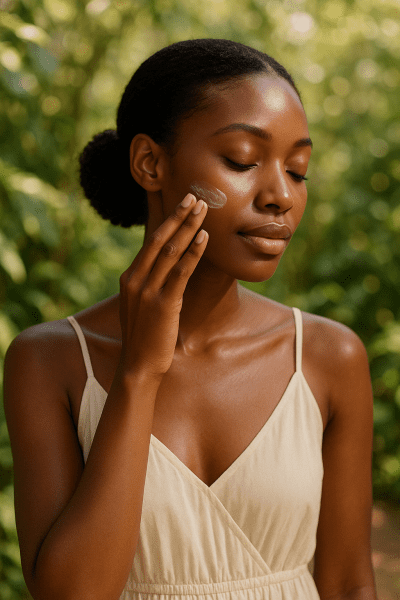
Understanding SPF Ratings for Black Skin Protection
SPF, or Sun Protection Factor, measures how well a sunscreen protects against UVB rays. For black skin, SPF ratings still matter. Melanin offers some protection, but not enough. Using the right sunscreen for black people helps prevent sunburn, hyperpigmentation, and other damage.
SPF for black skin should be at least 30, according to dermatologists. Dark skin sunscreen and melanin sunscreen with broad-spectrum coverage prevent both burning and dark spots. These creams often cost around $10–$30 per unit. Next, learn more in Choosing the Right SPF Levels for Daily Use.
Choosing the Right SPF Levels for Daily Use
- Select broad spectrum sunscreen for black skin to guard against both UVA and UVB rays.
- Daily use of melanin sunscreen helps minimize risk of hyperpigmentation and uneven complexion.
- Lightweight, non-greasy sunblock for black people suits oily or combination skin types.
- SPF for black skin should be reapplied every two hours, especially during outdoor activities.
Key Sunscreen Ingredients for Melanin-Rich Complexions
Sunscreen for black people should include ingredients that protect and nourish. Mineral sunscreen spf 30 uses zinc oxide for broad coverage. Look for formulations that avoid a white residue on black skin. These products help prevent hyperpigmentation and support healthy melanin.
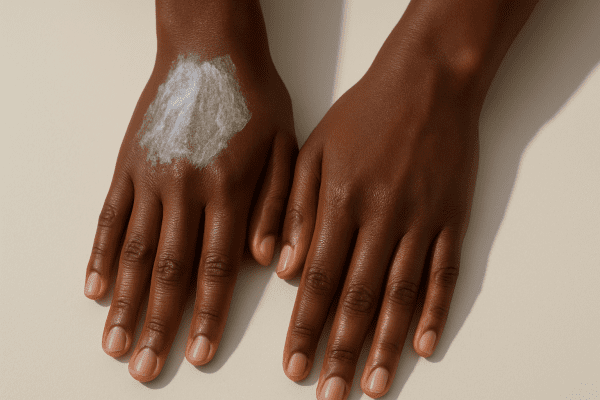
Chemical and mineral sunscreen filters each offer unique benefits. Iron oxides help block visible light, reducing melasma risk for people of color. Hydrating ingredients like squalane and niacinamide keep darker skin moisturized. Learn which essential filters and hydrators for optimal protection are best for melanin-rich skin next.
Essential Filters and Hydrators for Optimal Protection
- Broad spectrum sunscreen for black skin often uses modern chemical molecules that absorb both UVA and UVB rays.
- Niacinamide and squalane support moisture retention in sunscreen formulations for black skin.
- Iron oxides in ethnic skin sunscreen help shield against visible light, supporting dark skin prone to hyperpigmentation.
- Lightweight gel or lotion textures make sun protection for black people comfortable on a range of skin tones.
Preventing Hyperpigmentation with Broad Spectrum Sunscreens
Broad spectrum sunscreen for black skin protects against UV and visible light. These formulas help prevent hyperpigmentation and dark spots. Regular use of dark skin sunscreen reduces uneven tone, supporting healthy melanin and a balanced complexion. Choosing the right sun protection for black people is essential.
Mineral sunscreen spf 30 with iron oxides shields against both UVA and visible light. This helps limit melasma and post-inflammatory hyperpigmentation. Lightweight gel or lotion options feel comfortable on darker skin. Most protective sunscreen for black skin costs around $12–$25 per unit. Next, explore Strategies for Managing Dark Spots and Uneven Tone.
Strategies for Managing Dark Spots and Uneven Tone
- Apply sunscreen for black people daily to prevent sun-induced worsening of hyperpigmentation.
- Choose broad spectrum sunscreen for black skin with iron oxides to defend against visible light triggers.
- Layer melanin sunscreen with hydrating moisturizers to support even complexion and skin barrier repair.
- Consistently reapply sunblock for black skin to maintain protection and minimize new dark spot formation.
Mineral Versus Chemical Sunscreens for Darker Skin
Mineral and chemical sunscreen for black people offer different protective approaches. Mineral sunscreen spf 30 uses zinc oxide or titanium dioxide. Chemical filters absorb UV rays in the skin. Both types protect melanin, but their texture and finish on black skin can vary.
Some mineral sunscreens may leave a white residue on dark skin. Chemical formulas usually blend better, but may irritate sensitive skin or cause breakouts. Sunscreen for dark skin typically costs $10–$30 per unit. Choosing between these options depends on your skin’s needs, leading to Benefits and Drawbacks for Different Skin Needs.
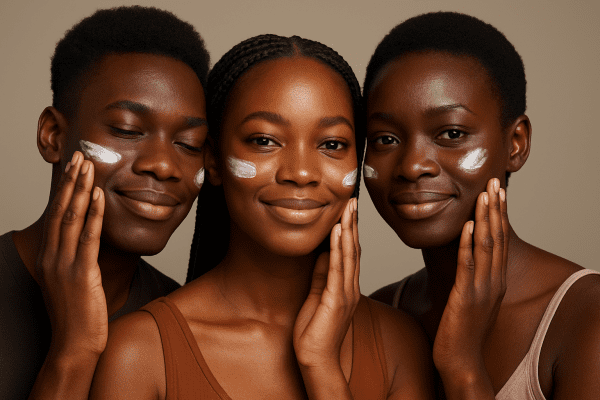
Benefits and Drawbacks for Different Skin Needs
- Mineral sunscreen spf 30 offers gentle sun protection for sensitive skin but may leave a residue on dark skin tones.
- Chemical sunscreen for black people often delivers a sheer finish, appealing to those seeking invisible sunblock for black skin.
- Broad spectrum sunscreen for black skin with added hydrators suits dry skin but can feel heavy on oily complexions.
- Sunscreen formulated for black skin with iron oxides can help manage hyperpigmentation but may not suit all skin types.
Moisturizing Sunscreen Lotions for Sensitive Black Skin
Moisturizing sunscreen lotions for sensitive black skin offer gentle sun protection. These creams hydrate while shielding against UV rays. They suit people needing sunblock for black people with dry or easily irritated skin. Many formulas target dark skin sunscreen needs without causing breakouts or discomfort.
Look for lightweight, fragrance-free products for sensitive skin types. Broad spectrum sunscreen for black skin with niacinamide or squalane reduces dryness and irritation. These lotions support melanin and protect against hyperpigmentation. Prices typically range from $12–$25 per unit. Next, discover Soothing Formulas for Hydration and Irritation Prevention.
Soothing Formulas for Hydration and Irritation Prevention
- Choose moisturizing lotion sunscreens for black skin that include niacinamide to calm irritation.
- Opt for broad spectrum sunscreen for black skin with lightweight gel texture to prevent clogged pores.
- Select sunblock for black people with squalane or hyaluronic acid to boost skin moisture.
- Look for sensitive skin sunscreen for black individuals that is free of fragrance and alcohol.
Invisible Finish Sunscreens for All Skin Tones
Invisible finish sunscreens blend seamlessly on every skin tone. These formulas avoid a white residue on black skin and brown skin. They offer broad spectrum protection for people of color. Many options are lightweight and comfortable for daily use.

Sunscreen for black people now comes in mineral, gel, or lotion textures. These products suit various complexions and sensitive skin. Typical prices range from $12–$30 per unit. For best results, learn about Sheer Application Techniques for a Natural Look.
Sheer Application Techniques for a Natural Look
- Pat sunscreen for black people onto skin using clean fingertips for even, streak-free coverage.
- Layer lightweight gel sunblock for black skin over moisturizer to enhance absorption and maintain an invisible finish.
- Apply broad spectrum sunscreen for black skin along the hairline and jawline to prevent visible residue on darker skin.
- Use a small amount of mineral sunscreen spf 30 and blend outward to avoid buildup on melanated skin sunscreen areas.
UV and Visible Light Defense for Ethnic Skin
Ethnic skin needs protection from both UV rays and visible light. Brown skin sunscreen and sunscreen for black people help prevent sun damage and hyperpigmentation. Using broad spectrum sunscreen for black skin supports melanin and keeps complexion healthy all year.
Sun protection for black people should block UVA, UVB, and visible light. Iron oxides in ethnic skin sunscreen shield against visible light triggers. Prices for these protective creams typically range from $12–$25 per unit. Next, discover effective strategies in Layering Protection Against Multiple Harmful Rays.
Layering Protection Against Multiple Harmful Rays
- Layer mineral sunscreen spf 30 under a lightweight gel sunscreen for enhanced uv protection for black skin.
- Combine sunscreen for brown skin with a moisturizer containing iron oxides to boost visible light defense for ethnic skin.
- Reapply sunblock for black skin over makeup or powder to maintain broad spectrum coverage throughout the day.
- Use sunscreen formulated for black people on exposed areas such as the neck and hands to ensure complete complexion protection.
Daily Sun Protection Routines for Black Individuals
Daily sun protection keeps black skin healthy and even-toned. Using sunscreen for black people helps defend against UV and visible light. Broad spectrum sunscreen for black skin should be a daily routine, not just for sunny days. Consistent care reduces hyperpigmentation and sun-related skin issues.
Start each morning with dark skin sunscreen on the face, neck, and hands. Reapply sunblock for black people every two hours outdoors for reliable protection. Many products for people of color sunscreen needs cost around $12–$25 per unit. Learn the best approach in Step-by-Step Morning and Reapplication Best Practices.
Step-by-Step Morning and Reapplication Best Practices
- Apply sunscreen for black people to clean, moisturized skin before any makeup or cosmetics.
- Use enough broad spectrum sunscreen for black skin to cover the face, neck, and any exposed dark skin areas.
- Reapply sunblock for black skin every two hours, especially after sweating or swimming, to maintain uv protection for black skin.
- Gently pat additional melanin sunscreen over your complexion during midday touch-ups to avoid disturbing skincare or hair edges.
Addressing Residue and White Cast on Dark Skin
Many sunscreens for black people can leave a white cast or visible residue. This is a common concern for those seeking sun protection for black skin. Products with zinc oxide or titanium dioxide often show on darker skin tones and may cause frustration with daily use.
Choosing the best sunscreen for black skin means finding formulas that avoid residue. Look for options labeled as invisible finish or sheer. Newer melanated skin sunscreen creams use advanced molecules to prevent white cast. Understanding these innovations helps when exploring Solutions for Clear, Undetectable Sunscreen Appearance.
Solutions for Clear, Undetectable Sunscreen Appearance
- Opt for gel-based sunscreen for black skin to achieve a lightweight, residue-free finish.
- Select broad spectrum sunscreen for black skin labeled as “sheer” or “transparent” to blend smoothly on dark skin.
- Apply sunscreen for people of color in thin layers to reduce buildup and enhance invisible coverage.
- Use mineral sunscreen spf 30 with micronized zinc oxide for clear sun protection on melanin-rich skin.
Enhancing Skincare with Iron Oxides and Antioxidants
Iron oxides and antioxidants boost sunscreen for black people. These advanced ingredients help block visible light and support skin health. They reduce dark spots on black skin and protect melanin. Using these filters makes broad spectrum sunscreen for black skin more effective and gentle.
Iron oxides in ethnic skin sunscreen help defend against melasma. Antioxidants, like vitamin E, fight free radicals and support the skin barrier. Many melanated skin sunscreen creams use these entities for extra protection. Learn how these work with Advanced Ingredients for Brightening and Barrier Support.
Advanced Ingredients for Brightening and Barrier Support
- Sunscreen for black people with antioxidants like vitamin C enhances skin radiance and helps fade dark spots.
- Niacinamide in dark skin sunscreen strengthens the skin barrier and reduces inflammation.
- Hyaluronic acid in sunblock for black skin provides deep hydration for dry or sensitive skin.
- Broad spectrum sunscreen for black skin containing peptides supports firmness and repairs sun-exposed complexions.
Final Thoughts:
Sunscreen for black people is essential for protecting melanin-rich skin from sun damage, hyperpigmentation, and premature aging. As highlighted, choosing the best sunscreen for black skin with broad spectrum coverage and hydrating ingredients like niacinamide or squalane delivers superior moisture and defense. Products for people of color now offer invisible finish and enhanced iron oxides, making daily sun protection accessible and effective. Take the next step in your skincare routine by selecting a dermatologist-recommended sunblock for black skin and reapplying it consistently to ensure lasting, healthy results.
Frequently Asked Questions (FAQs)
Why do Black people need to use sunscreen even with higher melanin levels?1
Answer: Sunscreen for black people protects all skin, including dark skin. Melanin provides some uv protection but not enough. Sun damage, hyperpigmentation, and skin cancer can still affect brown skin. Use broad spectrum sunscreen for black skin every day. Creams and gel sunscreen options help all people of color. Protect your complexion and melanin.
What SPF rating is recommended for daily sun protection on Black skin?2
Answer: Dermatologists recommend SPF 30 for sunscreen for black people. This level protects black skin, brown skin, and darker skin. Choose broad spectrum sunscreen for black skin. Cream or gel spf formulas help prevent hyperpigmentation. People of color sunscreen with spf 30 suits daily use. Apply sunblock for black skin every morning.
How can I prevent white cast or residue when using sunscreen on dark skin?3
Answer: Use sunscreen for black people labeled “invisible” or “sheer.” Gel or lotion textures blend better on black skin. Look for sunblock for black skin with micronized zinc oxide or modern molecules. Creams for people of color sunscreen avoid residue. Pat gently for even coverage. Choose broad spectrum sunscreen for black skin.
Are mineral or chemical sunscreens better for melanin-rich complexions?4
Answer: Sunscreen for black people works as mineral or chemical types. Mineral sunscreen spf 30 can leave residue on dark skin. Chemical sunscreen for black people blends easily on brown skin. Gel formulas suit sensitive skin. Choose broad spectrum sunscreen for black skin that fits your needs. Both protect melanin and complexion.
Which sunscreen ingredients help prevent hyperpigmentation in Black skin?5
Answer: Sunscreen for black people with iron oxides blocks visible light. Niacinamide and antioxidants help prevent hyperpigmentation in black skin. Gel or cream formulas hydrate brown skin. Broad spectrum sunscreen for black skin supports an even complexion. Use sunblock for black skin daily on all exposed skin areas.
How often should sunscreen be reapplied on Black or brown skin tones?6
Answer: Reapply sunscreen for black people every two hours outdoors. Use broad spectrum sunscreen for black skin after swimming or sweating. Gel and cream sunblock for black skin should cover all exposed areas. People of color sunscreen keeps skin and melanin protected. Consistent reapplication helps prevent sun damage and hyperpigmentation.
Can sunscreen help reduce or prevent dark spots and uneven skin tone in Black individuals?7
Answer: Sunscreen for black people prevents new dark spots on brown skin. Cream or gel with broad spectrum protection helps even complexion. Sunblock for black skin shields melanin from damage. Use people of color sunscreen every day. Ingredients like iron oxides support hyperpigmentation care.
What features should I look for in a sunscreen to ensure it is suitable for sensitive Black skin?8
Answer: Choose sunscreen for black people labeled fragrance-free and non-comedogenic. Cream or gel for sensitive skin avoids irritation. Broad spectrum sunscreen for black skin with niacinamide soothes brown skin. Look for moisturizing lotion or mineral sunscreen spf 30 for comfort. People of color sunscreen should be lightweight and gentle.
Social Media Links
- jadeywadey180 (Instagram)
- khalimamoradeyo (Instagram)
- shanidardenskin (Facebook)
- thestyleandbeautydoctor (Facebook)
Last Updated on February 19, 2026 by Amaya Bradley
DISCLAIMER (IMPORTANT): This information (including all text, images, audio, or other formats on FamilyHype.com) is not intended to be a substitute for informed professional advice, diagnosis, endorsement or treatment. You should not take any action or avoid taking action without consulting a qualified professional. Always seek the advice of your physician or other qualified health provider with any questions about medical conditions. Do not disregard professional medical advice or delay seeking advice or treatment because of something you have read here a FamilyHype.com.