
A CPR mask is an essential piece of first aid equipment that provides a safe barrier between the rescuer and patient during rescue breathing or cardiac emergencies. Whether you’re a first responder or assembling a home emergency kit, understanding the differences between a CPR face shield and a pocket mask—along with features like a one-way valve and compatibility with personal protective equipment—can be life-saving. This comprehensive guide explains how to select, use, maintain, and store various CPR masks, offering expert tips, comparisons, and up-to-date safety insights to help you make informed decisions.
Featured Products
Best Overall • Best Value • Premium Option


Note: As an Amazon Associate I earn from qualifying purchases. Some of the links on this site are affiliate links — when you buy through those links, I may earn a small commission at no extra cost to you.
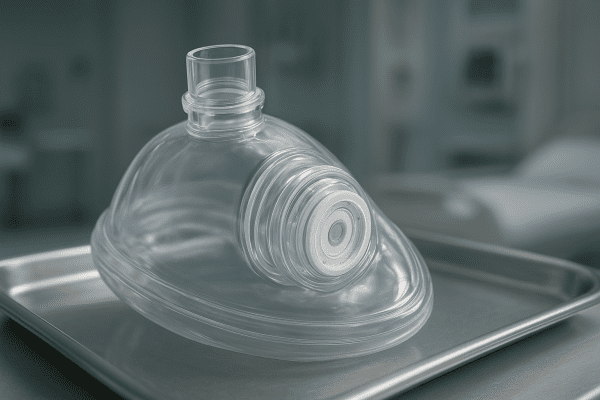
Understanding CPR Mask Valves, Filters, and Safety Features
CPR masks use special valves and filters to protect both rescuer and patient. A one-way valve stops fluids from flowing back. Filters help block germs. These features make a cpr face mask or cpr barrier mask safer than mouth-to-mouth alone.
Some cpr mask models include a bacterial or viral filter for extra safety. Face shields and pocket masks typically use one-way valves as standard. These breathing mask features are found in most first aid kits. Next, learn about Key safety mechanisms in modern CPR mask design.
Key safety mechanisms in modern CPR mask design
- Many cpr pocket mask designs feature transparent domes so rescuers can monitor the patient’s lip color and airway status.
- Reinforced seals on the resuscitation mask help maintain effective ventilation during emergency use.
- Some cpr barrier mask models include integrated O2 ports, allowing for supplemental oxygen delivery by first responders.
- Textured grips on the emergency breathing mask improve control in wet or high-stress trauma situations.
Selecting First Aid Mask Materials, Fit, and Durability
Choosing the right cpr mask means considering both comfort and strength. The best cpr barrier mask uses medical-grade plastic or silicone. A snug fit ensures the resuscitation mask creates a seal for effective rescue breaths. Durable materials help the mask last through repeated use.
Pocket mask designs often include textured grips and clear domes. Some cpr airway mask options are softer, making them easier to position on a patient. Emergency breathing mask durability varies, with reusable masks costing $8–$20 per unit. Next, see how Comparing materials and fit for effective CPR masks impacts your decision.
Comparing materials and fit for effective CPR masks
- A flexible cpr face mask conforms better to facial contours, improving the seal during rescue breathing.
- First responder mask options with thicker construction resist tearing during emergency use or in trauma environments.
- Cpr protective mask sizing—adult, child, or infant—affects compatibility with different patient entities in first aid situations.
- Medical mask fit should allow a secure hold even if the patient is wet or in challenging positions, supporting reliable cpr equipment performance.
Pocket Mask One-Way Valve Performance in Emergencies
A pocket mask with a one-way valve is a vital cpr mask variation. It helps protect the rescuer from fluids and airborne germs during cardiac emergencies. This cpr barrier mask allows safe rescue breaths with minimal risk of contamination or backflow.
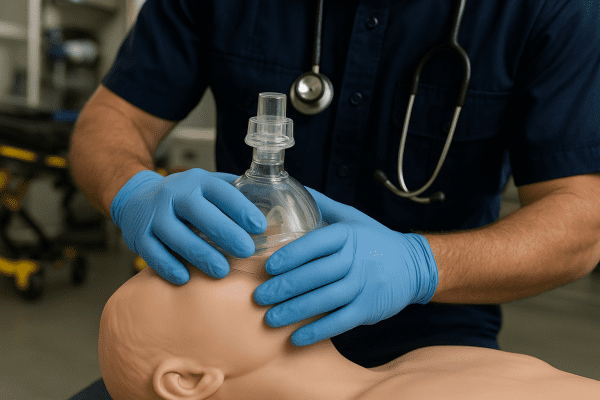
In emergencies, a cpr face mask with a one-way valve can be used quickly. Many first responder mask designs attach securely and fit a variety of patient types. Prices for these resuscitation mask options are typically $8–$20 per unit. Next, see how One-way valve reliability under real-life conditions affects performance.
One-way valve reliability under real-life conditions
- A cpr mask with a well-seated one-way valve maintains airflow direction even during rapid rescue breathing.
- Emergency breathing mask valves are tested to prevent backflow in high-stress trauma situations.
- Cpr barrier mask reliability can decrease if debris blocks the valve or if the medical mask is not cleaned after use.
- First responder mask performance may vary if moisture or blood contaminates the resuscitation mask valve during cardiac emergencies.
Face Shield Design, Protection, and Rescue Breathing Efficiency
A cpr face shield is a flat, lightweight cpr barrier mask. It covers the patient’s mouth and nose, adding a layer of protection for the rescuer. This emergency breathing mask is simple to use and fits easily in first aid kits or on a keychain.
Most cpr face shields use a thin plastic sheet with a one-way valve. This valve helps block fluids and direct airflow. Face shield designs support quick rescue breathing but may not seal as tightly as a pocket mask. Next, explore Evaluating face shield protection and airflow effectiveness.
Evaluating face shield protection and airflow effectiveness
- Cpr face shields with a one-way valve help maintain airflow direction while reducing exposure to fluids during rescue breathing.
- Emergency breathing mask airflow can be affected if the face shield shifts during chest compressions or patient movement.
- Cpr equipment like face shields may allow some air leakage around the edges, impacting oxygen delivery efficiency.
- First responder mask use with transparent face shields improves monitoring of airway status during cardiopulmonary resuscitation.
Cleaning CPR Mask Components, Cases, and Valve Systems
Cleaning a cpr mask, valve, and storage case keeps your cpr equipment safe and ready. Proper care helps prevent buildup of germs on a cpr barrier mask. Both pocket mask and cpr face shield designs need regular attention for hygiene and effective rescue breathing.
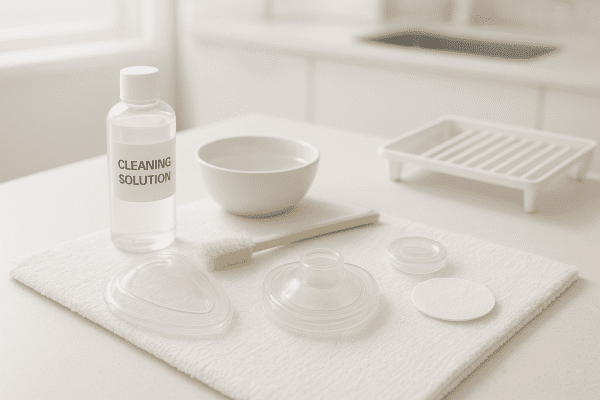
Wash the breathing mask and its one-way valve with mild soap and warm water. Allow the resuscitation mask and storage case to air dry completely before storing. Remove debris from the cpr protective mask after each use. Next, see detailed guidance under Proper cleaning routines for reusable CPR mask parts.
Proper cleaning routines for reusable CPR mask parts
- Disassemble the cpr airway mask to clean the valve and dome separately, removing any trapped debris.
- Use disinfectant wipes on the first aid breathing mask and storage case after each use for reliable infection control.
- Inspect the resuscitation mask and one-way valve for signs of wear or residue before returning to your emergency gear.
- Store the dry protective mask and its components in a sealed container to keep your cpr equipment ready for emergencies.
Maintaining Reusable Masks, Filters, and Personal Protective Equipment
Keeping a reusable cpr mask in good condition protects both rescuer and patient. Clean and well-maintained cpr barrier mask equipment reduces infection risk. Filters and first aid mask parts must work properly for emergency situations. Regular care extends the life of your cardiac mask and related cpr equipment.
Inspect every cpr face mask, valve, and storage case after each use. Replace filters on your emergency breathing mask if damaged or worn. Proper storage of your cpr airway mask prevents contamination. These habits help ensure reliable performance and cleanliness. Learn more in the following section on Routine care steps for long-lasting CPR mask use.
Routine care steps for long-lasting CPR mask use
- Replace the cpr face shield or filter on your resuscitation mask if it shows any wear or damage.
- Keep your emergency breathing mask stored in a clean, dry first aid kit alongside other personal protective equipment.
- Inspect the one-way valve and cpr protective mask for cracks before each use to ensure reliable performance.
- Rotate backup cpr masks and breathing mask supplies in your gear to avoid expired or degraded medical mask materials.
Troubleshooting Air Leakage, Seal Issues, and Valve Failures
Air leakage and seal issues are common concerns with any cpr mask. Problems can happen with both a cpr face shield and a cpr pocket mask. Valve failures may also affect the effectiveness of resuscitation mask use in emergencies.
Poor fit, damaged medical mask materials, or a blocked one-way valve can cause these issues. First responder mask performance relies on a secure seal and working valve. Knowing how to address these problems is essential, which leads into Common problems and solutions with CPR mask seals.
Common problems and solutions with CPR mask seals
- Misaligned resuscitation mask domes can cause air leaks; reseat the medical mask carefully for a tighter fit.
- Facial hair or wet skin may prevent a CPR barrier mask from sealing; use gloves to smooth the skin and improve contact with the emergency breathing mask.
- Damaged or warped first aid mask edges reduce seal quality; replace the cpr protective mask if deformation is noticed.
- Blocked one-way valve in a CPR airway mask can disrupt airflow; inspect valve entities and clear debris before use.
Enhancing Resuscitation Success with Oxygen Ports and Filters
Some cpr mask options feature oxygen ports and advanced filters. These features help increase oxygen delivery during rescue breathing. A cpr airway mask or cpr breathing mask with a filter also reduces disease risk. These additions enhance both patient safety and resuscitation success.
An oxygen port lets first responders connect extra oxygen for improved outcomes. Filters in a resuscitation mask block germs and fluids. Many cpr barrier mask designs with these upgrades cost around $12–$20 per unit. Next, explore how to use these features in real emergencies in Using oxygen ports and filters for advanced CPR support.
Using oxygen ports and filters for advanced CPR support
- An emergency breathing mask with an O2 port lets first responders connect supplemental oxygen for improved patient outcomes.
- Integrated filters in a cpr airway mask reduce exposure to airborne pathogens during rescue breathing.
- A resuscitation mask with both a one-way valve and oxygen port supports advanced life support protocols in trauma situations.
- Using a cpr protective mask with high-efficiency filters helps maintain cleanliness of your first aid equipment during repeated use.
Safe Storage and Emergency Kit Integration for CPR Masks
Safe storage of your cpr mask is essential for readiness. Keeping a breathing mask or cpr face shield in an emergency kit protects it from damage. Proper storage also keeps the one-way valve and other cpr equipment clean and functional.
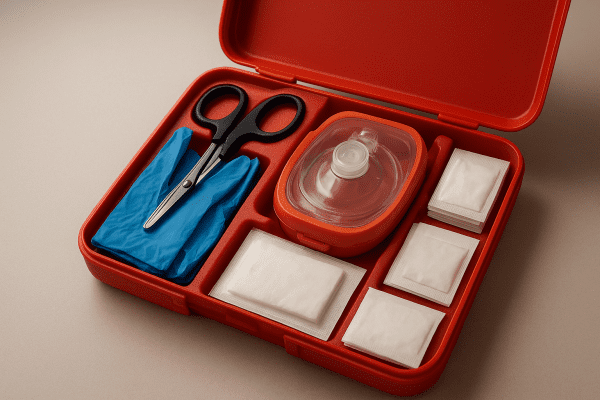
Many cpr barrier mask options include a hard or soft case for protection. Store your resuscitation mask with gloves and first aid gear in a dry, accessible spot. Emergency breathing masks typically cost $8–$20 per unit. Learn more in the next section on Best practices for storing CPR masks in emergency kits.
Best practices for storing CPR masks in emergency kits
- Place the cpr airway mask and gloves together in a sealed pouch to keep your cpr gear organized and contaminant-free.
- Store the protective mask away from sharp first aid tools like scissors to prevent damage to the emergency breathing mask.
- Include extra cpr face shields and antiseptic wipes alongside your resuscitation mask for rapid replacement and hygiene.
- Label the compartment containing your cardiac mask and other personal protective equipment for quick access in trauma situations.
Long-Term Mask Use, Replacement, and Regulatory Compliance
CPR mask use over time depends on proper care and replacement. Regular inspection helps ensure your cpr barrier mask, first aid mask, and emergency breathing mask stay effective. Following safety rules protects both rescuer and patient in emergencies.
Replace a cpr pocket mask if the one-way valve or plastic shows wear. Regulatory compliance means checking your resuscitation mask and personal protective equipment meet all safety requirements. Next, review details about lifespan, replacement, and legal standards for CPR masks.
Lifespan, replacement, and legal standards for CPR masks
- Most cpr pocket mask and cpr face shield products have a recommended replacement interval of 2–5 years, depending on material integrity.
- Damaged or expired cpr barrier mask components, such as the one-way valve or filter, should be promptly removed from first aid kits.
- Regulatory compliance for personal protective equipment requires clear labeling of disposable versus reusable resuscitation mask types.
- OSHA and health authorities mandate that emergency breathing mask supplies meet safety standards for workplace first responder mask use.
Final Thoughts:
A CPR mask is an essential piece of first aid equipment, offering critical protection and peace of mind for both rescuers and patients during emergencies. Whether you choose a cpr pocket mask or a cpr face shield, selecting the right personal protective equipment ensures reliable rescue breathing and helps meet safety standards. Prioritize a quality one-way valve and proper fit for your gear. Be prepared—add a cpr mask to your first aid kit today and consider practicing with your resuscitation mask to build confidence for real-world emergencies.
Frequently Asked Questions (FAQs)
What is the purpose of a CPR mask and how does it improve rescuer safety?1
Answer: A CPR mask is a protective mask for rescue breathing. This personal protective equipment helps block fluids during cardiac emergencies. The one-way valve and filter in the resuscitation mask prevent contamination. Using this first aid mask lowers disease risk for both rescuer and patient. It is a vital part of CPR equipment and first responder mask gear.
How does the one-way valve in a CPR mask prevent cross-contamination during rescue breaths?2
Answer: The one-way valve in a CPR mask blocks backflow. It lets air move from the rescuer to the patient. This cardiac mask feature stops saliva and fluids from entering the breathing mask. The valve helps keep the resuscitation mask and first responder mask clean. This barrier mask design reduces cross-contamination during emergency use.
What are the main differences between a CPR pocket mask and a face shield?3
Answer: A CPR pocket mask is reusable and sturdier than a face shield. The pocket mask has a one-way valve and better seal. The face shield is a flat, disposable barrier mask. Both are first aid masks and part of CPR equipment. The pocket mask offers more protection in cardiac mask emergencies.
Can CPR masks be reused, and if so, how should they be cleaned and maintained?4
Answer: Many CPR mask types are reusable. Clean this breathing mask with soap and water after use. Disinfect the resuscitation mask and one-way valve. Dry the personal protective equipment before storing. Inspect the cardiac mask and first responder mask for damage regularly. Replace worn or contaminated components promptly.
Are CPR masks suitable for use on both adults and children, or are different sizes required?5
Answer: Some CPR mask models fit both adults and children. Other resuscitation mask options require different sizes for proper fit. This first aid mask and cardiac mask must match the patient’s face. Always check your emergency breathing mask or first responder mask for sizing before use.
How do you ensure a proper seal with a CPR mask during an emergency?6
Answer: Position the CPR mask over the nose and mouth. Press the resuscitation mask firmly for a tight seal. Hold the first aid mask and check for air leaks. Use the one-way valve and barrier mask as directed. The cardiac mask and first responder mask need a secure fit to work.
What is the recommended way to store a CPR mask in a first aid or emergency kit?7
Answer: Store the CPR mask in a sealed case inside the first aid kit. Keep the resuscitation mask dry and clean. Place gloves and barrier mask together for easy access. The cardiac mask and emergency breathing mask should be ready for use. Avoid storing near sharp objects or liquids.
How often should a CPR mask be replaced to ensure effectiveness and compliance with safety standards?8
Answer: Replace the CPR mask every 2–5 years, or if damaged. Check the resuscitation mask, one-way valve, and first responder mask for wear. Discard the barrier mask if expired or contaminated. Regularly inspect all first aid mask components. Follow personal protective equipment guidelines for replacement and compliance.
Last Updated on January 17, 2026 by msj484
DISCLAIMER (IMPORTANT): This information (including all text, images, audio, or other formats on FamilyHype.com) is not intended to be a substitute for informed professional advice, diagnosis, endorsement or treatment. You should not take any action or avoid taking action without consulting a qualified professional. Always seek the advice of your physician or other qualified health provider with any questions about medical conditions. Do not disregard professional medical advice or delay seeking advice or treatment because of something you have read here a FamilyHype.com.