
Medical gloves are a vital component of personal protective equipment, safeguarding both healthcare professionals and patients during exams and procedures. In this comprehensive guide, you’ll learn how to choose between nitrile gloves, latex gloves, and other glove variations to suit your clinical needs. We’ll explore the features of disposable gloves and hospital gloves, discuss sizing, allergies, and hand protection, and offer tips on proper use and disposal. Whether you’re in medicine or caring for loved ones at home, understanding medical gloves ensures safe and effective care.
Featured Products
Best Overall • Best Value • Premium Option


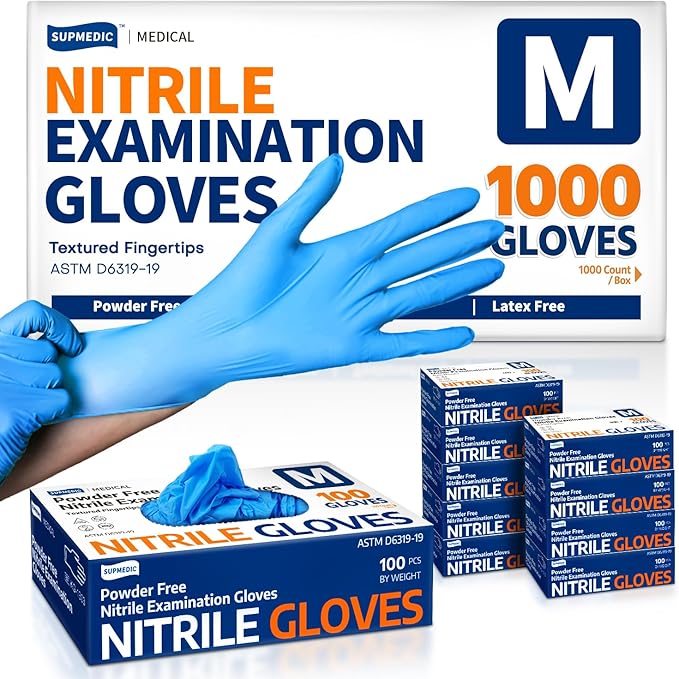
Note: As an Amazon Associate I earn from qualifying purchases. Some of the links on this site are affiliate links — when you buy through those links, I may earn a small commission at no extra cost to you.
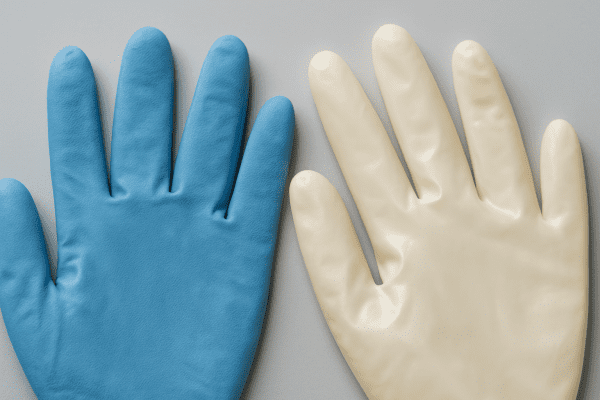
Understanding Medical Gloves Materials, Nitrile, Latex, Safety
Medical gloves protect hands during exams, procedures, and cleaning. They come in various materials like nitrile, latex, and vinyl. These disposable gloves help prevent contamination. Choosing the right glove is important for both healthcare professionals and at-home users.
Each glove material offers different benefits and risks. Nitrile gloves resist punctures well. Latex gloves provide flexibility but can cause allergies. Vinyl gloves are affordable but less durable. Selecting suitable hand protection depends on specific needs. Next, consider the key properties of common medical glove materials.
Key properties of common medical glove materials
- Exam gloves made of nitrile offer superior resistance to chemicals and punctures.
- Latex medical gloves provide excellent tactile sensitivity for healthcare procedures.
- Vinyl gloves are a budget-friendly choice for short-term, non-critical clinical tasks.
- Disposable gloves vary in fit, stretch, and barrier protection, depending on material composition.
Exam Gloves and Surgical Gloves Features for Healthcare
Exam gloves and surgical gloves are key medical wear for hand protection. Clinical gloves help prevent contamination during exams and procedures. Both disposable gloves types are designed for single use. They are essential for healthcare workers and sometimes used by at-home caregivers.
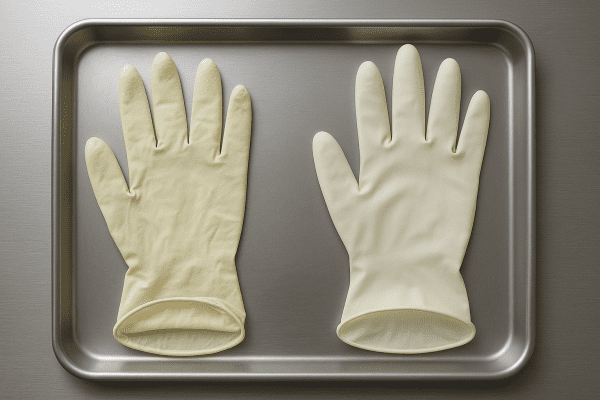
Exam gloves offer basic barrier protection for simple medical tasks. Surgical gloves provide a higher level of precision and fit for operations. Glove thickness, material, and sizing may differ. Healthcare gloves can be latex, nitrile, or vinyl. Next, see the essential features distinguishing exam and surgical gloves.
Essential features distinguishing exam and surgical gloves
- Surgical gloves are manufactured with higher precision and stricter quality controls than standard exam gloves.
- Exam gloves are suitable for general medical wear, while surgical gloves are designed for sterile procedures in healthcare settings.
- Surgical gloves offer enhanced tactile sensitivity and anatomical fit, optimizing performance for complex medical equipment use.
- Disposable exam gloves come in more material options, including vinyl and nitrile, compared to surgical gloves which prioritize latex or advanced synthetic polymers.
Disposable Gloves, Vinyl, Powder-Free, and Protective Performance
Disposable gloves offer quick hand protection for many tasks. Vinyl gloves are popular for their affordability and latex-free design. Powder-free options reduce mess and allergy risks. These protective gloves are widely used in medical, cleaning, and food service settings.
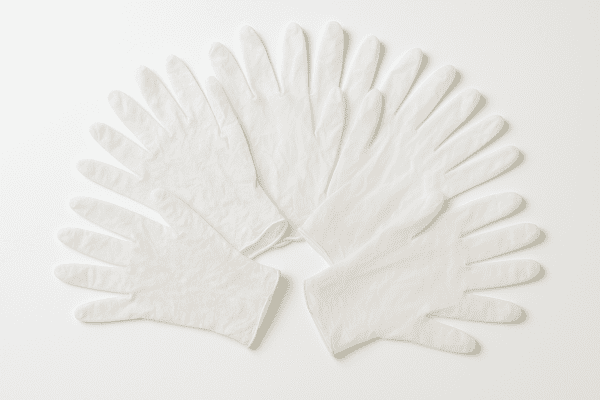
Most clinical gloves, including vinyl and nitrile gloves, are single-use for safety. Vinyl gloves provide basic barrier protection but less durability than nitrile or latex gloves. Healthcare gloves are often powder-free to prevent contamination. Next, review the performance factors of disposable and vinyl glove types.
Performance factors of disposable and vinyl glove types
- Disposable gloves offer rapid donning and removal for busy healthcare environments.
- Vinyl gloves maintain consistent barrier integrity for non-invasive medical equipment handling.
- Powder-free clinical gloves help reduce skin irritation and contamination risks during gloving.
- Hospital gloves made from vinyl provide a cost-effective solution for short-term protective needs.
Medical Glove Sizing, Fit, Comfort, and Hand Protection
Proper sizing and fit are crucial for medical gloves. Comfortable gloves improve hand protection and reduce fatigue. Clinical gloves, including latex gloves and nitrile medical gloves, should fit snugly. The right size ensures disposable gloves do not slip or tear during use.
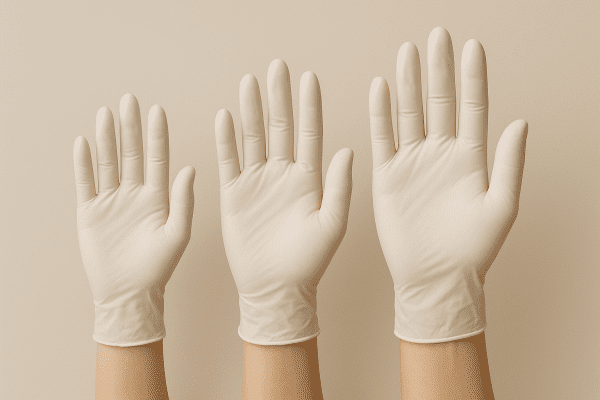
Ill-fitting hospital gloves can cause hand strain or reduce dexterity. Exam gloves that are too loose may slip off, while tight gloves may restrict movement. Factors like glove thickness and material affect comfort. Next, see the Guidelines for selecting proper glove size and fit to make the best choice.
Guidelines for selecting proper glove size and fit
- Measure your hand width to match sizing charts for exam gloves and surgical gloves.
- Choose latex or nitrile gloves with a snug fit to optimize hand protection during procedures.
- Select disposable gloves that allow comfortable finger movement for effective use of medical equipment.
- Ensure healthcare gloves have adequate cuff length to prevent exposure to contaminants.
Glove Allergies, Latex Sensitivity, Skin Health, Safety
Some medical gloves can cause skin irritation or allergic reactions. Latex gloves are a common trigger for sensitivity. Skin health is important when using clinical gloves daily. Choosing the right disposable gloves reduces risks for healthcare workers and patients.
Latex allergies may cause redness, itching, or rashes. Nitrile gloves are often used instead for sensitive skin. Exam gloves labeled “hypoallergenic” help minimize reactions. Always check for skin changes after using hospital gloves. Learn more in Identifying and managing medical glove allergy risks.
Identifying and managing medical glove allergy risks
- Rotate between nitrile gloves, vinyl gloves, and latex gloves to reduce repeated skin exposure to one material.
- Monitor for reactions when using new disposable gloves or switching clinical gloves brands.
- Choose powder-free protective gloves to help maintain skin health for frequent hospital gloves users.
- Consult a healthcare provider if irritation persists after wearing medical gloves.
Sterile Medical Gloves, Packaging, Storage, and Shelf Life
Sterile medical gloves are sealed in protective packaging to maintain cleanliness. These disposable gloves prevent contamination during surgical procedures. Proper storage ensures that clinical gloves remain effective. Packaging often includes single pairs or bulk boxes for hospital gloves and medical gear.
Shelf life for sterile gloves varies, often lasting up to five years. Keep medical supplies in cool, dry areas away from sunlight. Damaged packaging can reduce glove safety. Vinyl gloves and nitrile gloves must remain sealed until use. Next, review Best practices for storing and handling sterile gloves for safe glove management.
Best practices for storing and handling sterile gloves
- Store sterile medical gloves in original medical supplies boxes to maintain packaging integrity.
- Keep latex gloves and nitrile gloves away from moisture and direct sunlight to protect barrier performance.
- Rotate disposable glove inventory regularly to ensure hospital gloves are used within their shelf life.
- Avoid stacking heavy medical equipment on top of glove cartons to prevent damage to protective gloves.
Proper Gloving Techniques, Hand Hygiene, Infection Prevention
Proper gloving techniques help prevent infection and protect skin health. Clean hands before using disposable gloves or exam gloves. Healthcare gloves act as a barrier against germs. Safe gloving is vital in clinics, hospitals, and at-home care for infection prevention and effective hand protection.
Always wash hands before and after using medical gloves. Change clinical gloves between tasks to avoid cross-contamination. Use nitrile gloves or latex gloves for procedures needing strong protection. Follow strict hand hygiene in all medical wear routines. Next, review the Steps for effective glove donning and removal to ensure safety.
Steps for effective glove donning and removal
- Inspect disposable gloves for tears or defects before donning for hand protection.
- Use exam gloves that fit snugly to maintain barrier integrity during gloving.
- Pinch the cuff of one medical glove to remove it without touching the skin.
- Dispose of used nitrile gloves and other protective gloves safely in medical waste containers.
Environmental Impact of Rubber, Vinyl, and Medical Supplies
Medical gloves made from rubber, vinyl, or nitrile can impact the environment. Disposable gloves and other medical supplies often end up in landfills. Used hospital gloves may take years to break down. Glove production and disposal affect both air and water quality.
Vinyl gloves release chemicals during manufacturing and disposal. Rubber and nitrile medical gloves may create waste that is difficult to recycle. Large-scale use of clinical gloves in healthcare increases environmental strain. Many users now seek information about Eco-friendly alternatives and glove disposal considerations.
Eco-friendly alternatives and glove disposal considerations
- Some medical gloves use biodegradable materials to lower environmental impact.
- Proper disposal of used clinical gloves reduces contamination in medical waste streams.
- Healthcare gloves made from plant-based polymers offer a sustainable option for medical supplies.
- Recycling programs for nitrile gloves help repurpose rubber and reduce landfill waste.
Hospital Gloves, PPE Compliance, Regulatory Standards, Safety
Hospital gloves are essential personal protective equipment in healthcare. They help prevent infection and protect both patients and staff. Compliance with safety rules is crucial for clinical gloves, exam gloves, and other medical gloves used in hospitals.
Safety standards require hospital gloves to meet strict quality checks. These standards cover barrier integrity, fit, and chemical resistance for medical supplies. Proper use ensures reliable hand protection in healthcare settings. Learn more in the next section about regulatory standards for hospital glove safety compliance.
Regulatory standards for hospital glove safety compliance
- Disposable gloves must meet FDA medical device standards for barrier effectiveness and labeling.
- Exam gloves and surgical gloves require quality testing for puncture resistance and chemical permeability.
- PPE regulations mandate traceability of medical supplies and proper documentation for hospital gloves.
- Latex gloves and nitrile gloves are subject to periodic compliance audits to ensure consistent hand protection.
Choosing Clinical Gloves for Medicine, Procedures, and Care
Clinical gloves are vital for safe medicine, procedures, and care tasks. They protect hands from germs and chemicals. Medical gloves come in nitrile, latex, and vinyl options. Choosing the right disposable gloves helps maintain hygiene and patient safety in every healthcare setting.
Exam gloves, surgical gloves, and protective gloves all serve different needs. Nitrile medical gloves resist punctures, while latex gloves offer comfort. Vinyl gloves are affordable for quick tasks. Prices typically range from $6–$20 per box, depending on type. Next, review the Factors influencing clinical glove selection in healthcare.
Factors influencing clinical glove selection in healthcare
- Glove thickness and material affect protection against specific medical equipment and chemicals.
- Proper sizing ensures safety gloves maintain dexterity for delicate medicine procedures.
- Regulatory standards for personal protective equipment influence hospital gloves used in clinical settings.
- Allergy risks guide the choice between latex medical gloves, nitrile, or vinyl clinical gloves for hand protection.
Final Thoughts:
Medical gloves are essential for maintaining hand protection and hygiene in both clinical and at-home settings. Understanding the differences between nitrile gloves, latex gloves, and other disposable gloves helps ensure you select the best option for your needs and safety. Always consider fit, material, and potential allergies when choosing healthcare gloves or hospital gloves. For optimal protection and compliance with medical supplies standards, follow proper usage and disposal guidelines. Explore reputable brands and stay informed about the latest advancements in personal protective equipment for your peace of mind.
Frequently Asked Questions (FAQs)
What are the main types of medical gloves and how do they differ?1
Answer: Medical gloves include nitrile gloves, latex gloves, and vinyl gloves. Disposable gloves and exam gloves differ in material and fit. Nitrile offers strong hand protection and chemical resistance. Latex provides flexibility for clinical gloves. Vinyl gloves are affordable safety gloves for short-term use.
When should medical gloves be used in healthcare settings?2
Answer: Medical gloves are needed for all medicine procedures and patient contact. Use disposable gloves when handling medical equipment or bodily fluids. Exam gloves protect hands during cleaning tasks. Clinical gloves are also required for hospital gloves use and any personal protective equipment needs.
How do you choose the correct size and fit for medical gloves?3
Answer: Measure your hand before selecting medical gloves for proper sizing. Choose exam gloves or clinical gloves that fit snugly. Nitrile gloves and latex gloves should not feel too tight. Proper fit improves hand protection and comfort when wearing disposable gloves.
What are the risks of latex allergies with medical gloves?4
Answer: Latex gloves in medical gloves can cause allergies in some users. Symptoms may include skin irritation, itching, or rashes. Use nitrile gloves or vinyl gloves for sensitive skin. Hospital gloves and disposable gloves labeled hypoallergenic help reduce allergy risks.
Are medical gloves sterile or non-sterile, and when is each type needed?5
Answer: Medical gloves come as sterile and non-sterile options. Use sterile exam gloves for surgery and invasive medicine. Non-sterile disposable gloves are suitable for regular clinical gloves tasks. Hospital gloves must be sterile for critical procedures to ensure hand protection.
How should medical gloves be properly put on and removed?6
Answer: Wash hands before putting on medical gloves. Use exam gloves or nitrile gloves that fit well. Remove disposable gloves by pinching the cuff and pulling away. Dispose of clinical gloves in medical waste. Always follow hand protection guidelines for hospital gloves.
Can medical gloves be reused or are they always disposable?7
Answer: Most medical gloves are disposable and for single use only. Reusing exam gloves or nitrile gloves increases infection risk. Hospital gloves and clinical gloves made for one-time use lose hand protection if reused. Always discard used safety gloves after each medicine task.
What is the environmental impact of using disposable medical gloves?8
Answer: Disposable medical gloves create significant waste in medical supplies. Vinyl gloves and nitrile gloves take years to break down. Hospital gloves and clinical gloves contribute to landfill buildup. Using eco-friendly safety gloves and recycling programs helps reduce environmental strain.
Last Updated on January 17, 2026 by msj484
DISCLAIMER (IMPORTANT): This information (including all text, images, audio, or other formats on FamilyHype.com) is not intended to be a substitute for informed professional advice, diagnosis, endorsement or treatment. You should not take any action or avoid taking action without consulting a qualified professional. Always seek the advice of your physician or other qualified health provider with any questions about medical conditions. Do not disregard professional medical advice or delay seeking advice or treatment because of something you have read here a FamilyHype.com.