
Fabric softener is a staple in many laundry routines, promising softer fabric, reduced static, and a fresh scent for your clothes and towels. Whether you prefer liquid fabric softener, dryer sheets, or newer scent boosters, understanding how these fabric care products work can help you choose the best option for your home. This comprehensive guide explores the main ingredients, compares softening agents, reveals tips for sensitive skin, and highlights eco-friendly alternatives—ensuring your laundry stays soft, fresh, and perfectly cared for every wash.
Featured Products
Best Overall • Best Value • Premium Option


Note: As an Amazon Associate I earn from qualifying purchases. Some of the links on this site are affiliate links — when you buy through those links, I may earn a small commission at no extra cost to you.

Understanding Fabric Softener Ingredients, Scent, and Laundry Performance
Fabric softener helps make clothes softer and reduces static. It adds a fresh scent to laundry. Different fabric softeners, like liquid fabric softener or dryer sheets, offer unique benefits. Using these fabric care products can improve the feel and smell of your laundry.
The main ingredients in a laundry softener affect softness, scent, and performance. Some softening agents can leave residue on towels or affect microfiber fabrics. Prices typically range from $0.10–$0.30 per load. Understanding these details starts with a closer look at the key components and effects in fabric softeners.
Key components and effects in fabric softeners
- Fabric softening agents reduce static cling and help maintain soft fabric even after repeated washing.
- Fragrance beads and scent boosters enhance laundry with long-lasting scent and fresh odor.
- Some liquid softeners and dryer sheets can affect towel absorbency and change the texture of microfiber fabrics.
- Synthetic fabric softener ingredients may interact differently with laundry detergent and washing machines, impacting overall fabric care.
Comparing Liquid Fabric Softener, Dryer Sheets, and Beads
Liquid fabric softener, dryer sheets, and scent beads are popular fabric care products. Each option helps soften clothes and reduce static. These fabric softener choices also add fragrance to laundry. Picking the right softener for fabric depends on your laundry needs and personal preferences.
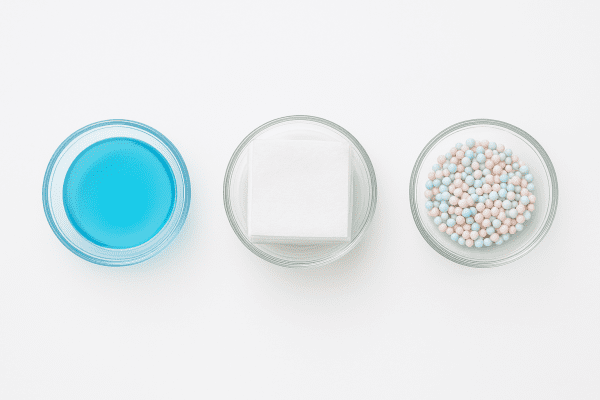
Liquid softener is added during the wash, dryer sheets go in the dryer, and beads boost scent. Prices range from $0.10–$0.30 per load. Some products work better for towels, while others help with static in dryer cycles. Next, see formulation differences and usage scenarios explained.
Formulation differences and usage scenarios explained
- Liquid fabric softener disperses in the wash cycle, conditioning fabrics and enhancing softness for full laundry loads.
- Dryer sheets release softening agents and scent while tumbling with clothes, helping reduce static in the dryer.
- Scent boosters like fragrance beads are designed to provide a lasting odor boost but do not act as a fabric softening agent.
- Usage of each softener for fabric type varies: liquid works well for cotton and jeans, while beads and sheets suit quick refresh cycles or synthetic fabrics.
How Fabric Softener Impacts Clothes, Towels, and Fabrics
Fabric softener makes clothes softer and helps reduce static. It adds a fresh scent and can make laundry feel smoother. Using a fabric conditioner or dryer sheets creates a noticeable difference in fabric texture and comfort. These fabric care products are easy to add to your laundry routine.
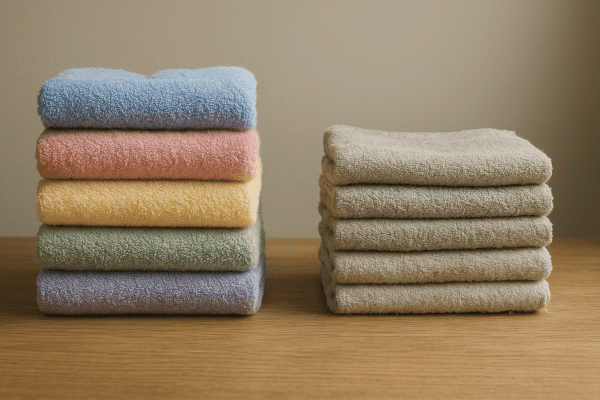
Regular use of a laundry softener can impact towels, jeans, and delicate fabrics. Some softening agents may reduce towel absorbency or leave residue on microfiber. Liquid softener, scent boosters, and dryer sheets each have unique effects. Next, learn about fabric changes resulting from regular softener use.
Fabric changes resulting from regular softener use
- Over time, liquid fabric softener can cause fabrics like towels and denim to feel less absorbent.
- Frequent use of clothes softener may cause buildup on microfiber, affecting fabric softness and appearance.
- Some synthetic fabric softener agents can make laundry more resistant to static but may alter texture in certain textiles.
- Regular use of conditioner leaves a lingering scent on fabrics, which can mask odors but impact sensitive skin.
Using Fabric Softener with Washing Machines and Detergents
Using fabric softener with washing machines helps make clothes soft and reduces static. Liquid fabric softener, dryer sheets, and scent boosters are common fabric care products. Each laundry softener type works differently with detergent and washing machines during a typical wash.
Add liquid softener to your washer’s dispenser. Place dryer sheets directly in the dryer with your clothes. Follow guidance for laundry detergent pods and fabric conditioner to avoid residue. Most softeners cost around $0.10–$0.30 per load. Next, explore proper integration with laundry appliances and products.
Proper integration with laundry appliances and products
- Use liquid fabric softener only in the designated compartment of your washing machine to prevent residue on clothes.
- Avoid adding fabric conditioner or scent boosters directly onto laundry detergent pods in the drum.
- Clean your washer’s dispenser regularly to prevent buildup from softening agents and maintain optimal fabric care.
- Select dryer sheets or fragrance beads compatible with your laundry appliances to ensure softer fabric and consistent performance.
Eco-Friendly Fabric Softener Solutions for Home Laundry Care
Eco-friendly fabric softener uses safer ingredients to keep laundry soft. These laundry softener choices focus on reducing chemicals and waste. Many consumers choose natural fabric softener for a gentle, sustainable laundry routine. Options include liquid fabric softener, dryer sheets, and scent boosters.

Home fabric softener solutions now include biodegradable and fragrance-free options. Many use plant-based softening agents and recyclable bottles. These products help lower your carbon footprint. Pricing is typically $0.12–$0.30 per load. There are more choices than ever for Sustainable and plant-based options for conscious consumers.
Sustainable and plant-based options for conscious consumers
- Natural fabric softener formulas use plant-derived softening agents for gentle fabric care.
- Many eco-friendly laundry softener products are packaged in recyclable bottles to reduce waste.
- Fragrance-free conditioner options help sensitive skin while keeping clothes soft.
- Homemade fabric softener recipes with white vinegar offer a sustainable alternative for softer fabric.
Managing Static, Softness, and Odor in Fabric Care
Managing static, softness, and odor is essential for fresh, comfortable laundry. Using a fabric softener or laundry conditioner helps reduce static cling. Dryer sheets also add a pleasant scent. These fabric care products improve clothes’ feel and overall freshness at home.
Different softening agents and scent boosters target specific laundry needs. For example, dryer sheets help with static in synthetic fabric, while liquid softener leaves towels feeling soft. Typical costs are $0.10–$0.30 per load. Explore Effective strategies for desired laundry results to maximize benefits for your laundry routine.
Effective strategies for desired laundry results
- Alternate dryer sheets and liquid fabric softener to balance static control and soft fabric in each laundry load.
- Use scent boosters or fragrance beads in the wash for a stronger, longer-lasting odor on clothes and towels.
- Add homemade fabric softener with white vinegar for a natural way to maintain softness in microfiber and cotton fabrics.
- Adjust laundry softener amounts based on fabric type and washing machines to prevent buildup and optimize freshness.
Preventing Residue Buildup on Fabrics and Washing Machines
Residue from fabric softener, dryer sheets, and scent boosters can build up on fabrics and inside washing machines. This buildup can make clothes less soft and affect laundry performance. Managing residue helps keep your fabric care products working well.
Using too much liquid softener or laundry conditioner often causes sticky buildup on towels or jeans. Washing machines may also collect residue from repeated use of clothes softener. Proper habits can keep your washer and fabrics cleaner. Learn simple Maintenance tips to minimize product accumulation.
Maintenance tips to minimize product accumulation
- Run a monthly wash cycle with white vinegar to clear fabric softener and detergent residue from your washing machine.
- Use the recommended amount of liquid softener for each laundry load to prevent buildup on towels and cotton fabrics.
- Alternate between dryer sheets and natural fabric softener to reduce excess softening agents on clothes and inside the washer.
- Wipe the fabric conditioner dispenser and drum regularly to keep laundry appliances free from sticky deposits.
Addressing Skin Sensitivity and Safety in Fabric Softener Use
Fabric softener can sometimes cause skin irritation. Sensitive skin may react to certain softening agents or fragrance beads. Using a liquid softener or laundry conditioner labeled for sensitive skin helps reduce risks. Dryer sheets may also affect some users.
Many fabric care products use ingredients that trigger allergies. Residue from a synthetic fabric softener can stay on clothes and towels. Choosing fragrance-free or hypoallergenic options may help. Product prices typically range from $0.10–$0.30 per load. Next, review Considerations for allergies and sensitive skin types for safer choices.
Considerations for allergies and sensitive skin types
- Choose a fragrance-free laundry softener to limit skin reactions from scent chemicals on fabrics.
- Look for hypoallergenic fabric conditioner formulas designed for sensitive skin and delicate clothes.
- Avoid dryer sheets and scent boosters if you are prone to irritation from synthetic softening agents.
- Always check ingredient lists on fabric care products to reduce exposure to allergens in your laundry routine.
Enhancing Laundry Room Organization and Softener Storage
Keeping laundry softener and fabric care products organized saves time and space. Neat storage makes using liquid softener, dryer sheets, and scent boosters easier. A tidy laundry room helps you quickly find your favorite fabric softener and manage laundry supplies more efficiently.
Use baskets or clear containers for dryer sheets and laundry conditioner. Place liquid fabric softener and scent boosters on easy-to-reach shelves. Label bottles for quick access. Organizing these fabric softening agents can prevent spills and clutter. Next, explore practical storage and dispensing solutions for softeners to further improve your laundry space.
Practical storage and dispensing solutions for softeners
- Use a pump dispenser for liquid fabric softener to prevent messy spills in the laundry room.
- Store dryer sheets in an airtight container to keep them fresh and easy to grab on laundry day.
- Keep scent boosters or fragrance beads in clear jars for quick access and easy tracking of supply.
- Place laundry softener bottles on a dedicated shelf near the washing machine for efficient fabric care routines.
Maximizing Fabric Softener Benefits for Long-Term Fabric Care
Using fabric softener helps keep clothes soft and reduces static. It can extend the life of towels, jeans, and other fabrics. Laundry softener, dryer sheets, and conditioner all play a role in regular fabric care.
Proper use of liquid softener or fragrance beads prevents residue and keeps laundry fresh. Using a softening agent as directed, at around $0.10–$0.30 per load, avoids buildup on fabrics. To maintain fabric soft and lasting, review Best practices for protecting and preserving textiles next.
Best practices for protecting and preserving textiles
- Alternate liquid fabric softener and natural fabric softener to minimize buildup on towels and jeans.
- Use laundry conditioner sparingly on delicate fabrics to maintain softness and fabric strength.
- Wash microfiber and athletic clothes without softening agents to protect fabric performance.
- Store fabric care products like dryer sheets and scent boosters in a cool, dry laundry room to preserve their effectiveness.
Final Thoughts:
Fabric softener remains a popular laundry softener choice for those seeking softer fabric, reduced static, and a pleasant scent in their clothes. With options ranging from liquid fabric softener to dryer sheets, today’s fabric care products cater to diverse needs, including sensitive skin and eco-conscious preferences. Whether you prefer a natural fabric softener or a conventional conditioner, understanding key ingredients and best practices ensures optimal laundry results. Explore product labels and experiment with different fabric softeners to discover what works best for your fabrics and laundry routine.
Frequently Asked Questions (FAQs)
What are the main ingredients in fabric softeners and how do they affect laundry performance?1
Answer: Fabric softener contains softening agents, fragrance beads, and preservatives. These fabric care products coat clothes and fabrics. Softening agents reduce static in laundry and towels. Some ingredients in the liquid softener can leave residue. This may affect microfiber fabric, absorbency, and softness. Always check labels for laundry conditioner ingredients.
How does liquid fabric softener compare to dryer sheets and scent beads in terms of use and effectiveness?2
Answer: Liquid fabric softener is added during the wash cycle. Dryer sheets go in the dryer with clothes. Scent beads boost odor in laundry and towels. Each fabric softener type offers soft fabric and static reduction. Dryer softener helps with static more. Liquid softener improves softness on various fabrics.
What impact does regular fabric softener use have on clothes, towels, and different fabric types?3
Answer: Fabric softener keeps clothes soft and adds scent. Frequent use may reduce towel absorbency. Residue from laundry softener can affect microfiber fabrics. Some softening agents leave buildup on jeans and towels. Regular use of these fabric care products changes texture and softness of laundry.
Can fabric softener be safely used with all washing machines and detergents?4
Answer: Fabric softener works with most washing machines and detergents. Use liquid softener only in the proper dispenser. Avoid mixing fabric softener with laundry detergent pods in the drum. Check machine and laundry softener labels for compatibility. Using these fabric care products as directed protects your fabrics and washer.
Are there eco-friendly or natural alternatives to conventional fabric softeners?5
Answer: Eco-friendly fabric softener options include plant-based liquid softener and natural laundry conditioner. Homemade fabric softener uses white vinegar for soft fabric and static reduction. These fabric care products avoid harsh softening agents and fragrance beads. Eco alternatives help sensitive skin and reduce environmental impact in laundry.
How does fabric softener help manage static, softness, and odor in laundry?6
Answer: Fabric softener reduces static in laundry and dryer sheets. These fabric care products soften clothes and towels. Fragrance beads add long-lasting scent to fabric. Softening agents in liquid softener keep fabric soft. Using a fabric softener as directed improves odor and feel of your laundry.
What steps can be taken to prevent residue buildup from fabric softener on fabrics and in washing machines?7
Answer: Use the recommended amount of fabric softener per laundry load. Clean the washer’s fabric softener dispenser monthly. Alternate dryer sheets and liquid softener to limit residue. Use white vinegar as a natural laundry softener sometimes. These steps help keep towels, fabrics, and your washing machine cleaner.
Is fabric softener safe for people with sensitive skin or allergies?8
Answer: Some fabric softener ingredients may cause sensitive skin reactions. Choose fragrance-free laundry softener and hypoallergenic fabric care products. Avoid dryer sheets and scent beads with strong softening agents. Always check conditioner and fabric softener labels for allergens. Using these products carefully helps reduce irritation from laundry.
Social Media Links
- Jeeves NY (Instagram)
- Erin V Carpenter (Instagram)
- The Laundry Lady (Facebook)
- Thames Laundry (Facebook)
Last Updated on March 5, 2026 by Amaya Bradley
DISCLAIMER (IMPORTANT): This information (including all text, images, audio, or other formats on FamilyHype.com) is not intended to be a substitute for informed professional advice, diagnosis, endorsement or treatment. You should not take any action or avoid taking action without consulting a qualified professional. Always seek the advice of your physician or other qualified health provider with any questions about medical conditions. Do not disregard professional medical advice or delay seeking advice or treatment because of something you have read here a FamilyHype.com.