
A down comforter is the ultimate blend of warmth, softness, and luxury for your bedding, making it a top choice for anyone seeking a cozy night’s sleep. Whether you’re comparing a plush king size down comforter to a lightweight down alternative comforter, or exploring shell fabrics like organic cotton and sateen, this guide will help you navigate every detail. Discover essential tips on fill power, construction, allergy relief, care, sustainability, and more—so you can choose the perfect comforter set for your home and sleep style.
Featured Products
Best Overall • Best Value • Premium Option


Note: As an Amazon Associate I earn from qualifying purchases. Some of the links on this site are affiliate links — when you buy through those links, I may earn a small commission at no extra cost to you.
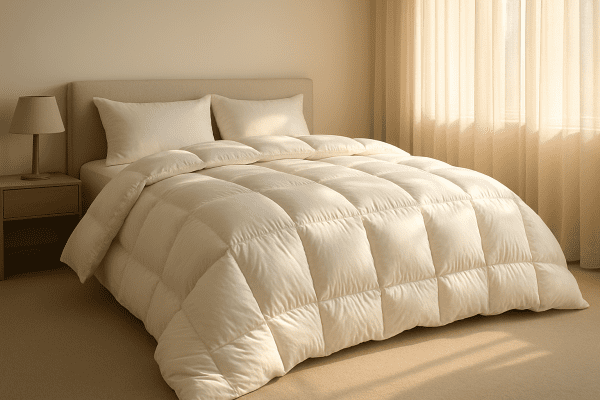
Choosing Fill Power, Weight, and Loft for Comforters
Choosing the right fill power, weight, and loft is crucial for a cozy comforter. These features affect how fluffy, warm, and comfortable your bedding will feel. Down comforters, down alternative comforter options, and lightweight comforters all offer different sleep experiences.
Fill power measures the loft, or fluffiness, of your comforter. Higher fill power means more warmth with less weight. A down blanket with 600–800 fill power typically costs $150–$400 per unit. Understanding these basics helps you compare comforters before exploring key factors influencing down comforter warmth and feel.
Key factors influencing down comforter warmth and feel
- Shell fabric like organic cotton or sateen affects softness, breathability, and how a fluffy down comforter feels against your skin.
- Construction style—such as baffle box or sewn-through—determines how evenly down fill is distributed for consistent warmth.
- Thread count and material quality in bedding influence durability and how quiet or noisy a plush comforter is at night.
- The type of down (goose, duck, or eco friendly down comforter fill) impacts loft, insulation, and potential for allergy relief.
Comparing Shell Fabrics, Thread Count, and Durability
The shell fabric is the outer layer of a down comforter. Thread count and material matter for softness, durability, and noise. Organic cotton, sateen, or percale shells can change how a cozy comforter feels. A higher thread count usually means a softer, more durable bedding option.
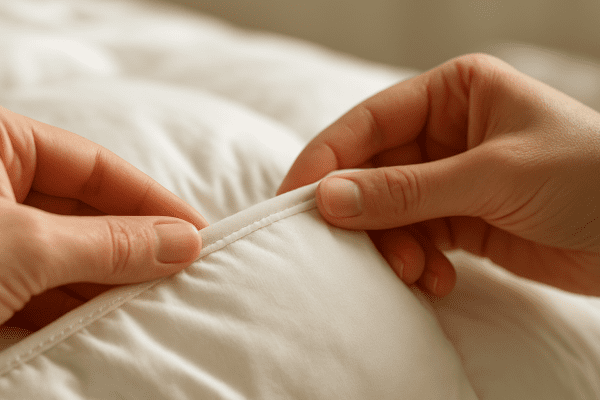
Cotton percale shells are crisp and cool, while sateen feels silky. A thread count of 230–400 is common for premium comforters. Durable shells help keep down fill from escaping. Longevity depends on both shell fabric and construction style. Next, learn about evaluating fabric quality for comforter longevity and comfort.
Evaluating fabric quality for comforter longevity and comfort
- Look for tightly woven organic cotton or sateen shells to keep down fill securely inside the cozy down comforter.
- High-quality shell fabrics on a premium down comforter reduce feather leakage and help maintain loft.
- A durable shell on a fluffy comforter protects delicate down clusters from wear and washing.
- Soft bedding materials like percale or batiste enhance comfort and extend the life of your down blanket.
Understanding Goose Down, Feathers, and Natural Fibers
Goose down, feathers, and natural fibers all influence comforter quality. Down clusters create unmatched loft and warmth. Feathers offer structure but less insulation. Natural fibers like cotton or silk in bedding shells affect breathability. Each material shapes how a down comforter performs and feels.
A goose down comforter provides plush comfort and superior insulation. Down feather comforters blend down and feathers for balanced warmth. Natural fiber shells, such as organic cotton, improve softness and durability. Comparing these materials helps shoppers understand material differences impacting softness, insulation, and price.
Material differences impacting softness, insulation, and price
- A luxury down comforter with high-quality goose down offers superior loft and plush comfort compared to a standard down alternative comforter.
- Duck down fill is often more affordable, but may have slightly less insulation and a firmer feel in bedding.
- Shell fabrics like organic cotton or batiste add softness to comforters and help enhance breathability and sleep comfort.
- Feather blends in a down feather comforter provide structure and weight, affecting both warmth and the overall price point.
Baffle Box Construction, Quilting, and Warmth Retention
Baffle box construction keeps down fill evenly spread in a comforter. Quilting patterns, like box or channel stitching, help maintain loft. This design prevents cold spots for a warm, cozy comforter. Many luxury down comforter and alternative down comforter styles use these methods for better comfort and warmth.
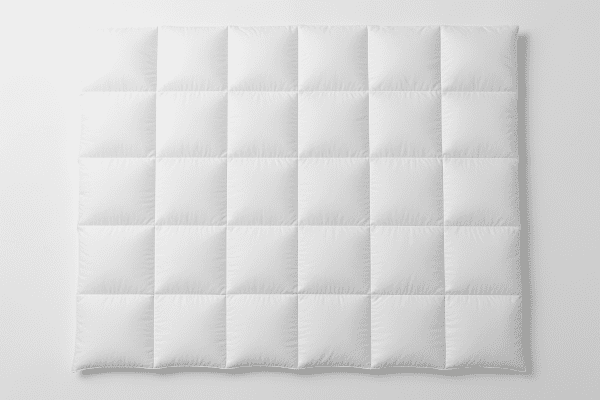
A baffle box fluffy comforter uses fabric walls between top and bottom layers. This keeps down clusters from shifting during sleep. Quilted bedding with strong stitching improves warmth retention and durability. Understanding these design choices helps when comparing construction methods that prevent shifting and cold spots.
Construction methods that prevent shifting and cold spots
- Sewn-through quilting in a lightweight down comforter creates small pockets to reduce down migration across bedding.
- A gusseted edge in a luxury comforter helps maintain loft and evenly distributes down fill for consistent warmth.
- Box stitch patterns in a king size down comforter keep feathers in place to eliminate cold spots during sleep.
- Secure shell fabrics like percale or organic cotton prevent down clusters in a queen size comforter from bunching or shifting.
Allergy Relief Features in Hypoallergenic Down Bedding
Hypoallergenic down bedding helps reduce allergy symptoms for sensitive sleepers. Special processing removes dust and allergens from down fill. Soft shell fabrics like organic cotton or sateen keep comforters cozy and breathable. This makes a down comforter or down alternative comforter safer for allergy-prone users.
Allergy relief features include tightly woven shell fabrics, certified clean down fill, and encased construction. A hypoallergenic down comforter or down blanket often uses high-quality bedding materials for reduced irritation. These options vary in price but offer better comfort. Next, explore specialized treatments and materials for sensitive sleepers.
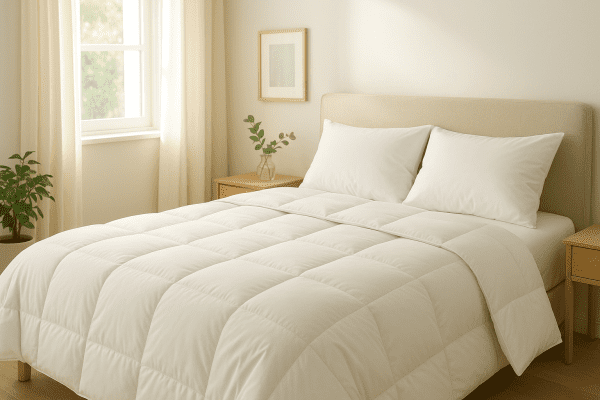
Specialized treatments and materials for sensitive sleepers
- Some hypoallergenic down bedding uses ultra-cleaned down fill to minimize dust and pet dander.
- A soft comforter with a tightly woven organic cotton shell helps block common allergens from entering the bedding.
- Down alternative comforter options often feature microfiber or polyester fill for allergy relief in sensitive customers.
- Encased construction in a queen size down comforter or twin down comforter adds extra protection against mite buildup.
Proper Care, Cleaning, and Long-Term Comforter Maintenance
Proper care keeps your down comforter soft, fluffy, and long-lasting. Regular cleaning and gentle handling help maintain loft and warmth. Protecting your bedding with a duvet cover reduces wear. Good maintenance ensures your cozy comforter remains a favorite piece for years.
Always follow care instructions on your down blanket or lightweight comforter. Spot clean small stains with mild soap. Machine washing may damage delicate down fill and shell fabrics like organic cotton. Dry cleaning typically costs $30–$50 per unit. Next, explore essential maintenance routines for preserving down comforters.
Essential maintenance routines for preserving down comforters
- Fluff your cozy down comforter daily to maintain loft and prevent down fill from settling.
- Use a duvet cover to shield your premium down comforter from body oils and dust.
- Air out your bedding outside on a dry day to keep the comforter fresh and odor-free.
- Store your lightweight comforter in a breathable cotton bag during warm months to protect natural fibers.
Sustainability Certifications, Animal Welfare, and Material Sourcing
Sustainability certifications help you choose a down comforter that is eco-friendly and ethical. Animal welfare and responsible sourcing are important for many bedding shoppers. A cozy comforter using certified down or organic cotton supports better practices throughout the supply chain.
Look for certifications on your premium down comforter or lightweight comforter. Responsible sourcing ensures down fill comes from humane sources. Organic cotton bedding shells reduce chemical use. These features may raise prices, with certified comforters often costing $200–$500 per unit. Learn more about recognized standards ensuring ethical and eco-friendly bedding.
Recognized standards ensuring ethical and eco-friendly bedding
- OEKO-TEX Standard 100 verifies that bedding and shell fabrics are free from harmful chemicals.
- Responsible Down Standard (RDS) certifies down fill in comforters is ethically sourced with animal welfare protections.
- Global Organic Textile Standard (GOTS) ensures organic cotton and natural fibers in down bedding meet strict environmental criteria.
- Downmark certification helps customers identify authentic down products with transparent material sourcing.
Enhancing Sleep with Duvet Covers and Layered Bedding
Duvet covers add protection, style, and easy care to your down comforter. Layered bedding creates a cozy, inviting bed. Using a duvet cover helps keep your soft comforter clean. This simple addition can extend the life of your bedding and enhance sleep comfort.
Layering with a plush down comforter, lightweight blankets, and decorative pillows lets you adjust for warmth and style. Duvet covers typically cost $40–$150 per unit, depending on material and size. Next, explore layering techniques for comfort, protection, and style to build the perfect sleep environment.
Layering techniques for comfort, protection, and style
- Pair a lightweight comforter with a plush blanket to adjust bedding warmth for changing seasons.
- Add a soft duvet cover to protect your down filled comforter and introduce new textures to your sleep environment.
- Use coordinating pillowcases and a cozy down comforter to create a layered, stylish bed setup.
- Layer a queen size down comforter over crisp cotton sheets for extra comfort and easy temperature control.
Troubleshooting Odor, Noise, and Down Clumping Issues
Odor, noise, and down clumping can affect your cozy down comforter. These common comforter issues disrupt comfort and sleep. Problems may appear in any plush comforter, lightweight comforter, or alternative down comforter, making troubleshooting essential for happy bedding.
Odor may come from natural down or trapped moisture. Noise often comes from stiff shell fabrics like percale or sateen. Down clumping happens after washing or poor care. Each issue impacts comforters, pillows, and bedding. Next, review Solutions for common comforter problems and annoyances for practical fixes.
Solutions for common comforter problems and annoyances
- Air out your cozy down comforter or down blanket in sunlight to reduce lingering odors in bedding.
- Add wool dryer balls when fluffing a lightweight comforter to minimize noise and restore loft.
- Gently shake and redistribute down fill in your queen size comforter to fix clumping after washing.
- Use a soft duvet cover to help protect premium down bedding from feather leaks and new pet hair.
Warranty, Longevity, and Customer Service Considerations
Warranty and customer service help protect your investment in a down comforter. Longevity depends on materials and care. A premium down comforter often includes extended coverage. Good support gives peace of mind and helps resolve issues with your bedding or comforter set.
Warranty periods range from one year to lifetime coverage per unit. Customer service can assist with problems like feather leakage, clumping, or returns. Longevity varies; a well-made down filled comforter can last 10–15 years. Next, review the key Factors affecting lifespan, support, and peace of mind.
Factors affecting lifespan, support, and peace of mind
- Regularly inspecting your down comforter for shell wear or feather leaks helps maintain its comfort and protects bedding investment.
- Access to responsive customer service increases confidence when issues arise with a cozy comforter or comforter set.
- Using a quality duvet cover reduces washing frequency, preserving the loft and longevity of soft comforters and down blankets.
- Clear warranty terms provide peace of mind for customers purchasing a luxury down comforter or lightweight comforter.
Final Thoughts:
A down comforter is a smart investment for anyone seeking long-lasting comfort, warmth, and style in their bedding. By considering factors like fill power, shell fabric, and construction, you’ll find the perfect fit—whether you prefer a lightweight comforter for year-round use or a luxury down comforter for premium coziness. Don’t forget to use a duvet cover and follow care instructions to maximize your comforter’s lifespan. Explore top brands and compare options to create the ultimate sleep environment with quality bedding and cozy blankets tailored to your needs.
Frequently Asked Questions (FAQs)
What is fill power in a down comforter and how does it affect warmth?1
Answer: Fill power measures the loft and fluffiness of a down comforter. Higher fill power means a warmer, fluffier comforter or blanket. Goose down or duck down with high fill power offers more insulation. A premium down bedding set with high fill power feels soft, lightweight, and cozy.
How do you properly clean and maintain a down comforter?2
Answer: Wash your down comforter gently with mild detergent. Use a large-capacity machine for bedding. Dry the comforter with tennis balls to keep loft. Always use a duvet cover to protect down fill. Air out the cozy comforter often. Follow care instructions for cotton or organic cotton shells. Fluff the comforter regularly.
What are the differences between goose down and duck down in comforters?3
Answer: Goose down in a down comforter gives more loft and insulation. Duck down comforters cost less but may feel firmer. Both fill types use natural fibers in bedding. Goose down is fluffier and warmer. Duck down is still soft and cozy. Both can be used in blankets or comforter sets.
How does baffle box construction improve a down comforter’s performance?4
Answer: Baffle box construction keeps down fill evenly in the comforter. It prevents shifting and clumping in bedding. This design keeps your blanket or comforter set warm. Loft stays high for a fluffy comforter. It also reduces cold spots in cotton or organic cotton shells. Sleep stays cozy all night.
Are down comforters suitable for people with allergies?5
Answer: Many down comforters are hypoallergenic and safe for sensitive sleepers. Specially cleaned down fill in bedding reduces dust and dander. Use a tightly woven organic cotton shell for allergy relief. A duvet cover helps protect the comforter. Down alternative comforter options also help reduce allergy risk in bedding.
What thread count and shell fabric are best for a down comforter’s durability and comfort?6
Answer: Choose a down comforter with 230–400 thread count for durability. Organic cotton or sateen shells feel soft and strong. High-quality bedding uses tightly woven shell fabrics. These prevent down fill leaks in blankets. A soft comforter shell boosts comfort and longevity. Percale shells offer a crisp, cool feel.
How can you prevent down clumping or shifting within a comforter?7
Answer: Use a baffle box down comforter to keep fill in place. Fluff your bedding and comforter set daily. Avoid washing your soft blanket too often. Dry with dryer balls to restore loft. Use a duvet cover for protection. Quality cotton shells help prevent down shifting. Store comforters properly in cotton bags.
What sustainability or animal welfare certifications should you look for in a down comforter?8
Answer: Look for Responsible Down Standard or Downmark on your down comforter. OEKO-TEX Standard 100 ensures safe bedding materials. GOTS certifies organic cotton shells in comforters. These certifications confirm ethical down fill and shell fabric sourcing. Choose soft comforters or blankets with these trusted labels for peace of mind.
Last Updated on January 1, 2026 by msj484
DISCLAIMER (IMPORTANT): This information (including all text, images, audio, or other formats on FamilyHype.com) is not intended to be a substitute for informed professional advice, diagnosis, endorsement or treatment. You should not take any action or avoid taking action without consulting a qualified professional. Always seek the advice of your physician or other qualified health provider with any questions about medical conditions. Do not disregard professional medical advice or delay seeking advice or treatment because of something you have read here a FamilyHype.com.